
The nurse would include which teaching or intervention in the care plan of a client experiencing diarrhea related to antibiotic therapy?
Include yogurt in the diet.
Administer famotidine 20 mg daily while taking the antibiotic.
Test stool for occult blood.
Arrange for IV administration of the antibiotic instead of the oral route.
The Correct Answer is A
Choice a reason:
Including yogurt in the diet can be beneficial for a client experiencing diarrhea related to antibiotic therapy. Yogurt contains probiotics, which are live microorganisms that can provide health benefits when consumed. These probiotics can help restore the balance of good bacteria in the gut that antibiotics may have disrupted, potentially reducing the duration and severity of diarrhea. However, it's important to choose yogurts that contain active probiotics and to be aware that some individuals may not tolerate dairy well during a bout of diarrhea.
Choice b reason:
Administering famotidine 20 mg daily may help with symptoms of gastritis or peptic ulcers but is not directly related to treating antibiotic-associated diarrhea. Famotidine is a histamine-2 blocker used to reduce stomach acid and is not typically used as a treatment for diarrhea. It should be noted that if a patient is experiencing severe diarrhea, the underlying cause should be addressed rather than just managing symptoms.
Choice c reason:
Testing stool for occult blood is generally not a standard intervention for antibiotic-related diarrhea unless there is a suspicion of gastrointestinal bleeding or an infection like C. difficile, which can cause more severe colitis. Occult blood tests are more commonly used for screening for colorectal cancer or diagnosing conditions that cause gastrointestinal bleeding.
Choice d reason:
Arranging for IV administration of the antibiotic instead of the oral route may be considered if the client has severe diarrhea that prevents the absorption of oral medications or if the client is unable to tolerate oral intake[^10^]¹¹¹²¹³¹⁴. However, many antibiotics have excellent oral bioavailability, and switching from IV to oral antibiotics when appropriate can be just as effective and is often preferred due to convenience and lower risk of complications.
Nursing Test Bank
Naxlex Comprehensive Predictor Exams
Related Questions
Correct Answer is A
Explanation
Choice A Reason
A hemoglobin level of 7.1 g/dL is significantly lower than the normal range, which is typically around 13.8 to 17.2 g/dL for men and 12.1 to 15.1 g/dL for women. This finding is concerning as it indicates severe anemia, which can be a life-threatening condition requiring immediate intervention. Anemia can lead to tissue hypoxia as the blood's capacity to carry oxygen is diminished. In the context of peripheral arterial disease, where blood flow is already compromised, anemia can exacerbate symptoms and increase the risk of ischemic events.
Choice B Reason
Ecchymosis, or bruising, on the client's upper extremities could be a result of the antiplatelet effects of aspirin, which inhibits platelet aggregation and prolongs bleeding time. While this is a concern and warrants monitoring, it is not as immediately life-threatening as severe anemia. However, it does indicate a risk of bleeding complications, which should be addressed by the healthcare provider.
Choice C Reason
A platelet count of 148,000/uL is at the lower end of the normal range, which is approximately 150,000 to 450,000 platelets per microliter of blood. This finding should be monitored, especially in the context of aspirin therapy, which can affect platelet function. However, it is not as critical as the low hemoglobin level.
Choice D Reason
Gastrointestinal discomfort is a common side effect of aspirin due to its irritation of the stomach lining. While this symptom can be uncomfortable and may lead to more serious gastrointestinal issues such as ulcers or bleeding, it is typically not as urgent as severe anemia. The client should be evaluated for potential gastrointestinal complications of aspirin therapy.
Correct Answer is A
Explanation
Choice a reason:
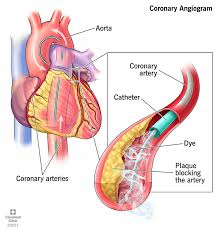
A history of allergy to iodine is a critical finding to report before a coronary angiography because the contrast dye used in the procedure typically contains iodine. Patients with an iodine allergy may experience severe reactions, including anaphylaxis, which can be life-threatening. Precautions such as premedication with steroids and antihistamines or the use of alternative contrast agents may be necessary.
Choice b reason:
A serum potassium level of 4.0 mEq/L is within the normal range, which is approximately 3.5 to 5.2 mEq/L for adults. Therefore, this finding is not significant and does not need to be reported to the healthcare provider prior to the procedure.
Choice c reason:
A blood pressure reading of 138/90 mmHg is slightly elevated but does not reach the threshold for stage 1 hypertension, which starts at 140/90 mmHg for individuals under 60 years of age. While it should be monitored, it is not an urgent concern that needs to be reported immediately before a coronary angiography unless the patient shows symptoms of hypertensive crisis.
Choice d reason:
An EKG showing atrial fibrillation is an important finding; however, it is not typically a contraindication for coronary angiography unless the patient is hemodynamically unstable or symptomatic. Atrial fibrillation can increase the risk of stroke, but anticoagulation management is usually the focus rather than postponing necessary diagnostic procedures.
Whether you are a student looking to ace your exams or a practicing nurse seeking to enhance your expertise , our nursing education contents will empower you with the confidence and competence to make a difference in the lives of patients and become a respected leader in the healthcare field.
Visit Naxlex, invest in your future and unlock endless possibilities with our unparalleled nursing education contents today