
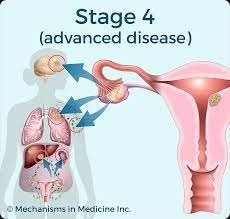
The nurse is teaching a client with stage IV ovarian cancer. Which statement by the client indicates the need for further teaching?
“My cancer is easily treatable and will be cured quickly.”
“My cancer is easily treatable and will be cured quickly.”
“My type of cancer has spread to other tissues.”
“I have chemotherapy after my hysterectomy.”
The Correct Answer is A
Stage IV ovarian cancer is an advanced stage, and it is unlikely that the cancer can be cured. While treatment may help manage the symptoms and slow down the progression of the disease, it is essential to have realistic expectations and understand the limitations of treatment options.
Option b, "My type of cancer has spread to other tissues" is a correct understanding of the situation and indicates the client has understood their diagnosis.
Option c, "I have chemotherapy after my hysterectomy" is an accurate statement about treatment and indicates the client has understood the plan of care.
Option d, "I may need to talk with my family about hospice" is also an appropriate statement, as clients with stage IV ovarian cancer may need to consider end-of-life care and hospice services
Nursing Test Bank
Naxlex Comprehensive Predictor Exams
Related Questions
Correct Answer is C
Explanation
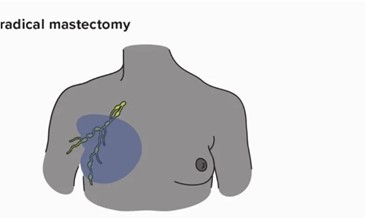
After a radical mastectomy and axillary node dissection, the client may experience swelling and discomfort in the affected arm, known as lymphedema. Lifting heavy objects with the affected arm can worsen the swelling and increase the risk of developing lymphedema. Therefore, it is important for the client to avoid lifting heavy objects with the affected arm and to limit activity that could cause strain or injury to the arm. However, gentle exercise and movement of the arm can help improve circulation and reduce the risk of lymphedema. Using a sling is not typically necessary after this type of surgery, and keeping cuticles clipped neatly is not directly related to post-operative care for a mastectomy and axillary node dissection.
Correct Answer is C
Explanation
The most recommended contraceptive method for young adults depends on various factors such as their medical history, lifestyle, preferences, and sexual behavior. However, in general, healthcare providers recommend starting with the least invasive and reversible options before considering more permanent methods.
Therefore, the most recommended contraceptive method for young adults is usually barrier methods, such as condoms or diaphragms, or hormonal contraception, such as birth control
pills, patches, or rings. These methods are highly effective when used correctly and consistently
and do not affect long-term fertility.
Abstinence is also an effective way to prevent pregnancy and sexually transmitted infections, but it may not be a realistic option for everyone. Sterilization, on the other hand, is a permanent method that should only be considered by individuals who are sure that they do not want to have children in the future.
It is important for the nurse to provide comprehensive information on all contraceptive options, their effectiveness, benefits, and risks, to help the young adult group make informed decisions about their reproductive health.
Whether you are a student looking to ace your exams or a practicing nurse seeking to enhance your expertise , our nursing education contents will empower you with the confidence and competence to make a difference in the lives of patients and become a respected leader in the healthcare field.
Visit Naxlex, invest in your future and unlock endless possibilities with our unparalleled nursing education contents today