
The nurse is reviewing the medication record of a patient with asthma and notes the patient is taking inhaled fluticasone (Flovent). The nurse know that inhaled fluticasone (Flovent) is helpful in the treatment of asthma in what way?
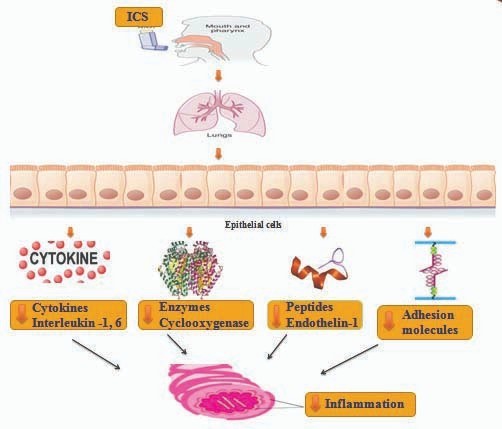
Reduces inflammation in the airway.
Relieves symptoms of an acute asthma attack
Causes an immediate bronchodilation,
Reduces the blood pressure and heart rate.
The Correct Answer is A
Inhaled fluticasone (Flovent) is a corticosteroid medication that is commonly used in the treatment of asthma. It works by reducing inflammation in the airway, which is a key component of asthma. By decreasing inflammation, it helps to prevent and control asthma symptoms, such as wheezing, coughing, and shortness of breath.
The other options mentioned are incorrect:
B. Relieves symptoms of an acute asthma attack: Inhaled fluticasone is not intended for immediate relief during an acute asthma attack. It is a long-term control medication used to manage and prevent asthma symptoms.
C. Causes immediate bronchodilation: Fluticasone does not cause immediate bronchodilation, which refers to the widening of the airways to improve breathing. Bronchodilation is typically achieved with short-acting beta-agonist medications, such as albuterol.
D. Reduces blood pressure and heart rate: Fluticasone is not known to have a direct effect on blood pressure or heart rate. Its primary action is to reduce inflammation in the airway for the management of asthma.
Nursing Test Bank
Naxlex Comprehensive Predictor Exams
Related Questions
Correct Answer is C
Explanation
During an asthma attack, the primary concern is the patient's ability to breathe and maintain adequate oxygenation. Monitoring the patient's respiratory rate and oxygen saturation (SpO2) with a pulse oximeter provides crucial information about the effectiveness of the albuterol treatment and the patient's respiratory status. It helps determine if the airway is opening up, if oxygen levels are improving, and if the patient is responding positively to the medication.
While determining the time of the patient's last meal can be relevant for certain interventions, it is not the immediate priority during an asthma attack. It is more important to focus on assessing and managing the patient's breathing and oxygenation first.
Monitoring the patient's temperature and blood pressure can be important for a comprehensive assessment, but they are not the immediate priority during an acute asthma attack. Addressing the patient's respiratory distress takes precedence.
Providing education on asthma management and treatment is an important aspect of care, but it should be done after the patient's acute symptoms are addressed and stabilized. In the immediate assessment phase, the focus is on assessing and managing the patient's respiratory status. Education can be provided once the patient's immediate needs are addressed.
Correct Answer is C
Explanation
Rebound congestion, also known as rhinitis medicamentosa, is a common adverse effect associated with the prolonged use of nasal decongestants. It occurs when the blood vessels in the nasal passages become dependent on the medication for constriction and lose their ability to regulate naturally. As a result, when the medication wears off, the nasal congestion worsens, leading to a cycle of continued use and worsening symptoms.
In this scenario, the patient's complaint of worsening nasal congestion despite using oxymetazoline every 2 to 4 hours for the past 5 days suggests the possibility of rebound congestion. The nurse should explain to the patient that prolonged or frequent use of nasal decongestants can lead to this effect and recommend gradually tapering off the medication use or discontinuing it altogether. The nurse may also suggest alternative non-medication strategies for managing nasal congestion, such as saline nasal sprays or steam inhalation.
Whether you are a student looking to ace your exams or a practicing nurse seeking to enhance your expertise , our nursing education contents will empower you with the confidence and competence to make a difference in the lives of patients and become a respected leader in the healthcare field.
Visit Naxlex, invest in your future and unlock endless possibilities with our unparalleled nursing education contents today