
The nurse is providing sexual education to a group of high school students. What will the nurse explain is the most effective choice of birth control for preventing pregnancy and sexually transmitted diseases?
Select one:
Use the barrier method.
Abstain from sex.
Use the female condom.
Use the male condom.
Use the male condom.
The Correct Answer is B
a. The barrier method, which includes male and female condoms, diaphragms, and cervical caps, is effective at preventing pregnancy but may not provide adequate protection against sexually transmitted diseases.
b. Abstaining from sex is the only surefire way to prevent both pregnancy and sexually transmitted diseases.
c. The female condom can provide some protection against pregnancy, but may not provide adequate protection against sexually transmitted diseases.
d. The male condom can provide some protection against pregnancy, but may not provide adequate protection against sexually transmitted diseases.
Nursing Test Bank
Naxlex Comprehensive Predictor Exams
Related Questions
Correct Answer is B
Explanation
a. Maternal hypotension is not a common side effect of terbutaline, which is a beta-adrenergic agonist that can cause tachycardia and hypertension.
b. Pulmonary edema is a serious complication of terbutaline therapy, which can cause fluid overload, dyspnea, chest pain, and crackles in the lungs. The nurse should monitor the woman's vital signs, oxygen saturation, urine output, and lung sounds, and report any signs of pulmonary edema to the physician immediately.
c. Fetal bradycardia is not related to terbutaline, which can cause fetal tachycardia.
d. Fetal hypokalemia is also not associated with terbutaline, which can cause maternal hypokalemia due to increased potassium uptake by the cells.
Correct Answer is C
Explanation
a. Diazepam is not indicated for the treatment of severe preeclampsia.
b. Hydralazine orally twice a day is not indicated for the treatment of severe preeclampsia.
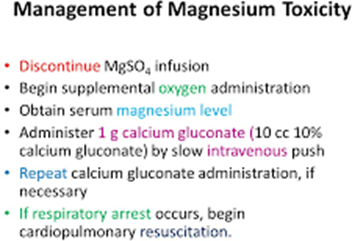
c. Calcium Gluconate is indicated for the treatment of hypermagnesemia, which can occur as a result of magnesium sulfate infusion.
d. This will worsen the magnesium toxicity.
Whether you are a student looking to ace your exams or a practicing nurse seeking to enhance your expertise , our nursing education contents will empower you with the confidence and competence to make a difference in the lives of patients and become a respected leader in the healthcare field.
Visit Naxlex, invest in your future and unlock endless possibilities with our unparalleled nursing education contents today