
The nurse is obtaining a pulse oximetry reading for a client admited with exacerbation of chronic obstructive pulmonary disease (COPD). When observing a reading of 91%. what action should the nurse perform?
No action is required, because this may be normal for the client
The nurse should prepare intubation equipment for the health care provider
Administer oxygen at 6 L/m by nasal cannula
Have the client breath into a paper bag
The Correct Answer is A
A. This is the most appropriate response. Clients with COPD often have chronically elevated carbon dioxide levels, which can lead to a compensatory decrease in the oxygen saturation level. A reading of 91% may be within their normal range.
Nursing Test Bank
Naxlex Comprehensive Predictor Exams
Related Questions
Correct Answer is D
Explanation
Stridor is a high-pitched, inspiratory sound that indicates partial obstruction of the upper airway. It is a common finding in newborns and can occur due to the presence of mucus, fluid, or a small airway that has not yet fully developed. It is important to note that while stridor is an expected finding in newborns, it should still be assessed and monitored closely by healthcare professionals.
Bruits are abnormal sounds heard over blood vessels and are not related to breath sounds. Crackles are a series of brief, discontinuous, nonmusical sounds heard during inspiration or expiration, indicating fluid in the lungs. Wheezing is a high-pitched, musical sound heard during expiration and can indicate the narrowing of the airways. These sounds are not typically expected in the breath sounds of a newborn.
Correct Answer is C
Explanation
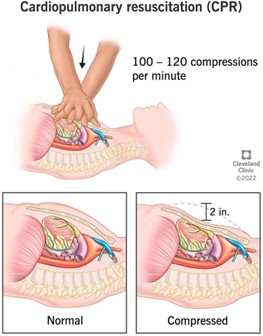
CPR (Cardiopulmonary Resuscitation) is a life-saving procedure that is performed when a person's heart has stopped beating. It involves chest compressions and rescue breathing to restore the circulation of oxygenated blood to the brain and other vital organs. The timely initiation of CPR can significantly increase the chances of a patient's survival.
In a healthcare setting, UAPs/CNAs are often trained to provide basic life support, including initiating CPR, until a healthcare provider arrives. However, giving IV epinephrine, intubating the patient, and obtaining arterial blood gases are all advanced medical procedures that require specialized training and expertise. These actions should only be performed by trained healthcare providers, such as registered nurses, physicians, or respiratory therapists, and cannot be delegated to UAPs/CNAs.
Whether you are a student looking to ace your exams or a practicing nurse seeking to enhance your expertise , our nursing education contents will empower you with the confidence and competence to make a difference in the lives of patients and become a respected leader in the healthcare field.
Visit Naxlex, invest in your future and unlock endless possibilities with our unparalleled nursing education contents today