
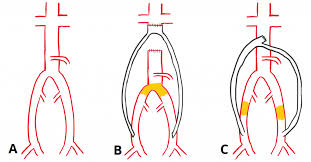
The nurse is caring for a client who is two days post-aortic-iliac bypass surgery. Which assessment finding should be reported to the surgeon immediately?
Blood pressure of 98/60.
Urine output of 40 mL/hour.
Pain rated as 5 on a 0-10 scale.
Absence of popliteal pulse.
The Correct Answer is D
Choice A Reason:
A blood pressure of 98/60, while on the lower side, is not necessarily alarming post-surgery unless the patient shows symptoms of hypotension or if there is a significant drop from the patient's baseline blood pressure. It is important to monitor trends in blood pressure readings rather than a single isolated measurement.
Choice B Reason:
A urine output of 40 mL/hour can be considered within normal limits post-surgery, as the expected urine output is at least 0.5 mL/kg/hr. However, it should be monitored closely to ensure that it does not decrease further, which could indicate renal complications.
Choice C Reason:
Pain rated as 5 on a 0-10 scale indicates moderate pain, which is expected post-surgery. Pain management should be continued as prescribed, and the patient should be reassessed regularly to ensure that the pain does not escalate.
Choice D Reason:
The absence of a popliteal pulse is a critical finding that must be reported immediately. The popliteal artery provides blood flow to the lower leg, and its absence could indicate graft occlusion or other serious circulatory issues, which could lead to limb-threatening complications if not addressed promptly.
Nursing Test Bank
Naxlex Comprehensive Predictor Exams
Related Questions
Correct Answer is A
Explanation
Choice A Reason:
Switching to heparin is not the standard response for a high INR. Heparin may be used in conjunction with warfarin when starting anticoagulation therapy, but it is not typically used as a substitute in response to an elevated INR.
Choice B Reason:
Giving the dose as prescribed would not be appropriate when the INR is significantly above the therapeutic range. Continuing the same dose could increase the risk of bleeding complications.
Choice C Reason:
Increasing the dose would be contraindicated as the INR is already too high. Increasing the warfarin dose would further elevate the INR and increase the risk of bleeding.
Choice D Reason:
Holding the dose is the correct action when the INR is significantly above the therapeutic range, which is generally between 2.0 to 3.0 for most indications. The healthcare provider should be notified, and the warfarin dose should be held until the INR returns to the therapeutic range. Vitamin K may also be administered to help lower the INR more quickly if necessary.
Correct Answer is C
Explanation
Choice A reason:
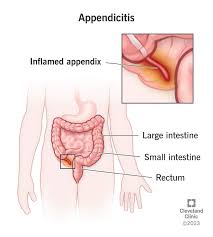
Offering a warm beverage to a client with suspected appendicitis is not advisable. Preoperative clients are typically required to have an empty stomach to reduce the risk of aspiration during anesthesia. Introducing fluids or food could delay surgery and increase the risk of complications.
Choice B reason:
Monitoring the client's gag reflex is not a priority in the care of a client with suspected appendicitis. The gag reflex is more relevant in neurological assessments or when evaluating swallowing function, not in the context of appendicitis.
Choice C reason:
Helping the client to a side-lying position with knees flexed can provide comfort and may help relieve abdominal pain. This position reduces tension on the abdominal muscles and can be a supportive measure while the client awaits surgery.
Choice D reason:
Applying a heating pad to the abdomen is contraindicated in clients with suspected appendicitis. Heat can cause the appendix to rupture, leading to peritonitis, which is a severe and potentially life-threatening complication. Therefore, this action should be avoided.
Whether you are a student looking to ace your exams or a practicing nurse seeking to enhance your expertise , our nursing education contents will empower you with the confidence and competence to make a difference in the lives of patients and become a respected leader in the healthcare field.
Visit Naxlex, invest in your future and unlock endless possibilities with our unparalleled nursing education contents today