
The nurse is caring for a 30-week gestation client who was loaded on a magnesium sulfate infusion one hour ago for preterm labor. Which of the following assessment findings would warrant the infusion to be discontinued immediately?
Blood pressure of 138/88.
Urinary output of 40 ml/hr.
Respiratory rate of 10 breaths/minute.
Patellar reflex of +2.
The Correct Answer is C
This is because magnesium sulfate can cause respiratory depression, and a respiratory rate of 10 breaths/minute is significantly lower than the normal range of 12-20 breaths/minute. Other factors such as blood pressure of 138/88, the urinary output of 40 ml/hr, and patellar reflex of +2 should also be monitored, but they would not necessarily warrant immediate discontinuation of the magnesium sulfate infusion.
Nursing Test Bank
Naxlex Comprehensive Predictor Exams
Related Questions
Correct Answer is B
Explanation
Environmental health is concerned with the impact of environmental factors on human health, including physical, chemical, biological, and social factors. By improving environmental health in a community, we can decrease exposure to environmental hazards and reduce the incidence of environmentally related diseases, resulting in improved health outcomes.
One of the most important outcomes of environmental health interventions is increased life expectancy for the community. By reducing exposure to environmental hazards, such as air pollution, water pollution, and toxic chemicals, we can decrease the incidence of environmentally related diseases, such as respiratory disease, cancer, and neurological disorders. This, in turn, can increase life expectancy and improve the overall health of the community.
Correct Answer is B
Explanation
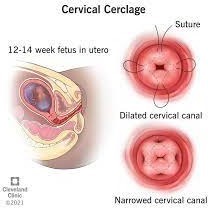
The information that the nurse should emphasize in the discharge teaching for a pregnant woman who has undergone a cervical cerclage due to an incompetent cervix is that the presence of any contractions, rupture of membranes (ROM), or severe perineal pressure should be reported to her healthcare provider immediately. This is because these symptoms could indicate cervical dilation or premature labor, which can lead to pregnancy loss or other complications.
Reporting any vaginal discharge is important, but it is not the most critical symptom to monitor for after cervical cerclage placement. Vaginal discharge is common after cervical cerclage and can occur for several weeks without posing a significant risk to the pregnancy.
A cesarean birth may or may not be necessary depending on the patient's individual circumstances and the course of the pregnancy. It is not a given that all women with cervical cerclage require a cesarean delivery.
While some activity restrictions may be necessary after cervical cerclage placement, it is not necessary for the patient to arrange for care at home. Many women are able to manage their daily activities with appropriate precautions and guidance from their healthcare provider.
Whether you are a student looking to ace your exams or a practicing nurse seeking to enhance your expertise , our nursing education contents will empower you with the confidence and competence to make a difference in the lives of patients and become a respected leader in the healthcare field.
Visit Naxlex, invest in your future and unlock endless possibilities with our unparalleled nursing education contents today