
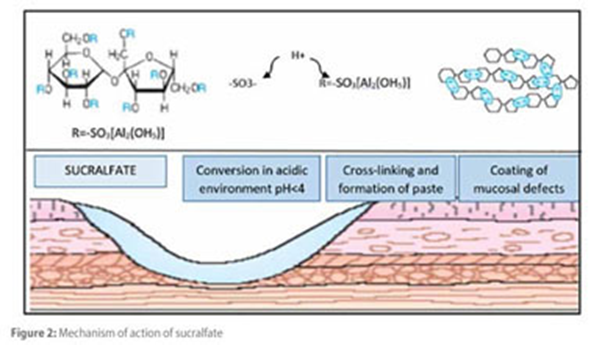
The nurse has taught a patient about sucralfate (Carafate). Which statement indicates that the patient requires further teaching?
"I need to increase my fluid intake."
"I need to report pain or vomiting of blood."
"I need to take Carafate 30 minutes after meals."
"I need to take Maalox 30 minutes before or after Carafate."
The Correct Answer is C
A. "I need to increase my fluid intake." - This is a correct statement. Sucralfate should be taken with plenty of water to ensure proper absorption and effectiveness.
B. "I need to report pain or vomiting of blood." - This is also a correct statement. Severe abdominal pain or vomiting of blood may indicate a serious issue and should be reported to the healthcare provider.
C. "I need to take Carafate 30 minutes after meals." - This is an incorrect statement. Sucralfate is typically taken on an empty stomach, about 1 hour before meals and at bedtime.
D. "I need to take Maalox 30 minutes before or after Carafate." - This statement is correct. Antacids like Maalox can interfere with the absorption of sucralfate. It's generally recommended to space them apart, taking sucralfate at least 30 minutes before or after antacids.
Nursing Test Bank
Naxlex Comprehensive Predictor Exams
Related Questions
Correct Answer is C
Explanation
A. Antacids and narcotics.
Antacids can provide temporary relief of symptoms, but they do not treat the underlying H. pylori infection. Narcotics are not typically used as a standard treatment for peptic ulcer disease related to H. pylori.
B. Pepsin inhibitors and antiemetics.
Pepsin inhibitors and antiemetics may address symptoms but do not target the H. pylori infection directly. The standard treatment involves antibiotics to eradicate the bacteria and proton pump inhibitors to reduce acid production.
C. Proton pump inhibitors and antibiotics.
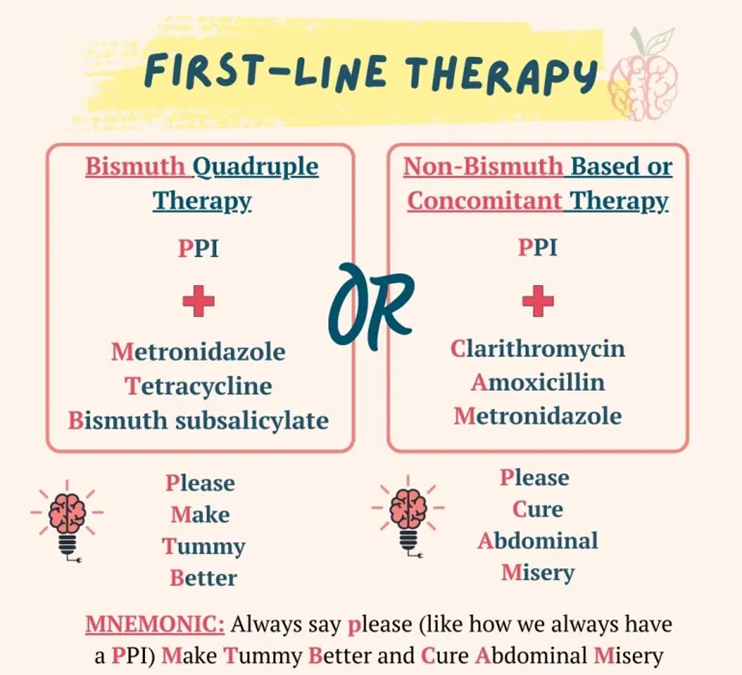
A positive breath test for H. pylori indicates the presence of Helicobacter pylori bacteria, which is associated with peptic ulcer disease. The standard treatment for H. pylori infection involves a combination of proton pump inhibitors (to reduce stomach acid production) and antibiotics (to eradicate the bacteria).
D. Emetic agents and tranquilizers.
Emetic agents are used to induce vomiting and are not indicated for the treatment of H. pylori infection. Tranquilizers are not part of the standard treatment for peptic ulcer disease associated with H. pylori.
Correct Answer is C
Explanation
A. A respiratory rate of 14
A respiratory rate of 14 is within the normal range and is not typically a reason to hold benztropine. Respiratory depression is not a common side effect of this medication.
B. A pulse of 102
A pulse rate of 102 is also within the normal range, and changes in heart rate are generally not a prominent side effect of benztropine. This finding alone is not a typical reason to hold the medication.
C. Blood pressure of 88/60 mmHg
This is the correct choice. Anticholinergic medications, like benztropine, can cause side effects such as a decrease in blood pressure. A blood pressure of 88/60 mmHg may be a concern, and the nurse should hold the dose and notify the physician.
D. A temperature of 100.2°F
An elevated temperature of 100.2°F is not a direct contraindication to benztropine administration. Fever is not a typical side effect of this medication, so an increased temperature alone is not a reason to hold the dose.
Whether you are a student looking to ace your exams or a practicing nurse seeking to enhance your expertise , our nursing education contents will empower you with the confidence and competence to make a difference in the lives of patients and become a respected leader in the healthcare field.
Visit Naxlex, invest in your future and unlock endless possibilities with our unparalleled nursing education contents today