
The most current thinking on the cause of schizophrenia is that it is:
Primarily related to a disturbed mother-child relationship
Brain damage caused by the mother's use of tranquilizers during pregnancy
An alteration in opioid receptors
A brain disorder
The Correct Answer is D
Choice A reason: The theory that schizophrenia is primarily related to a disturbed mother-child relationship is outdated and not supported by current research.
Choice B reason: While prenatal factors may contribute to the risk, schizophrenia is not solely caused by brain damage from the mother's use of tranquilizers during pregnancy.
Choice C reason: Alterations in opioid receptors are not currently considered a primary cause of schizophrenia.
Choice D reason: Schizophrenia is considered a brain disorder, with current research focusing on a combination of genetic and environmental factors, brain chemistry, and structure.
Nursing Test Bank
Naxlex Comprehensive Predictor Exams
Related Questions
Correct Answer is D
Explanation
Choice A reason: Bursting open of the wound is a description that could imply evisceration, but it is not as specific as choice D.
Choice B reason: Wound edges not approximating is a general description of a wound that is not healing properly, but does not specifically describe evisceration.
Choice C reason: Opening of the wound could refer to any situation where a wound has opened, not necessarily evisceration.
Choice D reason: Evisceration specifically refers to the viscera spilling out of the abdomen, usually through a surgical wound.
Correct Answer is B
Explanation
Choice A reason: Cool, dry skin is not typically associated with a panic attack, which often involves symptoms like sweating due to the fight-or-flight response.
Choice B reason: Chest pain is a common symptom of panic attacks, often leading individuals to believe they are having a heart attack.
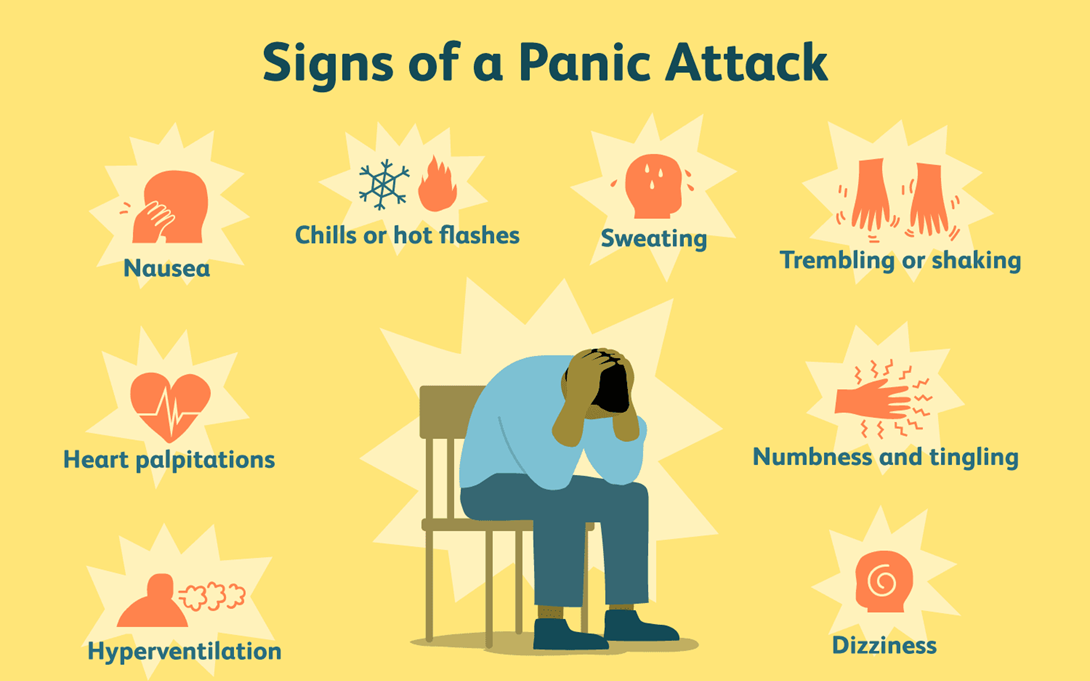
Choice C reason: Pallor, or paleness, may occur during a panic attack, but it is not as common as other symptoms like chest pain.
Choice D reason: Bradycardia, or slow heart rate, is not characteristic of a panic attack; tachycardia, or fast heart rate, is more common.
Whether you are a student looking to ace your exams or a practicing nurse seeking to enhance your expertise , our nursing education contents will empower you with the confidence and competence to make a difference in the lives of patients and become a respected leader in the healthcare field.
Visit Naxlex, invest in your future and unlock endless possibilities with our unparalleled nursing education contents today