
During the physical examination of the mouth, the nurse identifies vesicular eruptions along the client's lips and surrounding skin. Which problem should the nurse document?
Angular cheilitis
Herpes simplex
Angioedema
The Correct Answer is B
Choice A Reason:
Angular cheilitis is characterized by inflammation of one or both corners of the mouth. It often presents as red, swollen patches in the corners of the mouth and can be associated with fungal or bacterial infection. However, it does not typically cause vesicular eruptions, which are more indicative of viral infections like herpes simplex.
Choice B Reason:
Herpes simplex virus (HSV) is known for causing vesicular eruptions, commonly referred to as cold sores or fever blisters, around the lips and mouth area. These eruptions are fluid-filled blisters that can be painful and are highly indicative of an HSV infection, particularly HSV type 1, which commonly affects the oral region.
Choice C Reason:
Angioedema involves the rapid swelling of the deeper layers of the skin, often seen with hives. While it can affect the lips and surrounding areas, it does not cause vesicular eruptions. Angioedema is more associated with allergic reactions and can be part of anaphylaxis, a severe systemic reaction.
Nursing Test Bank
Naxlex Comprehensive Predictor Exams
Related Questions
Correct Answer is D
Explanation
Choice a reason:
Exophthalmos, or protrusion of the eyeballs, is not a typical finding in hypothyroidism. It is more commonly associated with hyperthyroidism, particularly Graves' disease, which is characterized by an overactive thyroid gland.
Choice b reason:
Photophobia, or light sensitivity, is not a common symptom of hypothyroidism. While it can be associated with other conditions, it is not directly related to the function of the thyroid gland.
Choice c reason:
Weight loss is typically not associated with hypothyroidism. In fact, individuals with hypothyroidism often experience weight gain due to a slowed metabolism, which is the opposite of weight loss.
Choice d reason:
Lethargy is a common symptom of hypothyroidism. The condition can lead to a decrease in thyroid hormone production, which can slow down the body's metabolism, resulting in feelings of fatigue, sluggishness, and lethargy.
Correct Answer is B
Explanation
Choice A Reason:
An ophthalmoscope is primarily used for examining the interior structures of the eye, such as the retina, and is not typically used for assessing near vision. It provides a view of the fundus of the eye, which is essential for diagnosing various eye conditions but does not directly assess a patient's reading or close-up vision.
Choice B Reason:
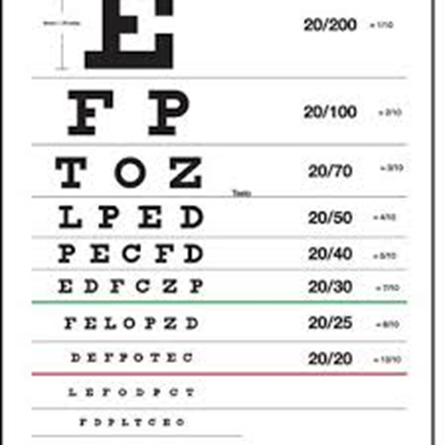
The Snellen Chart is traditionally used to measure distance visual acuity and would not be the first choice for assessing near vision. However, there are versions of the Snellen Chart or similar charts designed for near vision assessment, typically held at a reading distance of about 14 inches from the patient. These charts have rows of letters or symbols that decrease in size and are used to determine the smallest print size a person can read.
Choice C Reason:
A magazine can be a practical tool for assessing near vision informally, as it contains various sizes of print and is a good representation of everyday reading material. The nurse can ask the patient to read a specific paragraph to observe their ability to see and comprehend text at a close distance.
Choice D Reason:
A penlight is not used for assessing near vision. It is typically used to assess the pupillary light reflex or to illuminate specific areas of the eye during an examination. The penlight helps to evaluate the response of the pupils to light but does not measure the patient's ability to read or see objects up close.
Whether you are a student looking to ace your exams or a practicing nurse seeking to enhance your expertise , our nursing education contents will empower you with the confidence and competence to make a difference in the lives of patients and become a respected leader in the healthcare field.
Visit Naxlex, invest in your future and unlock endless possibilities with our unparalleled nursing education contents today