
Ceclor oral suspension 375 mg g. 8h, is ordered for a patient on discharge. The pharmacy gives the patient Ceclor 125 mg/5 ml oral suspension. How many teaspoons will the nurse instruct the patient to take per dose? Record numbers only.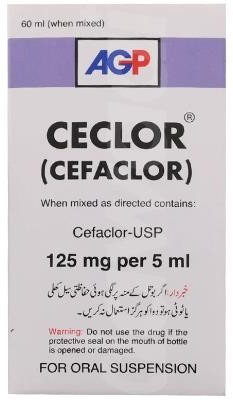
The Correct Answer is ["3"]
Dose ordered / Dose available = Amount to give
Dose ordered = 375 mg, Dose available = 125 mg/5 ml, Amount to give = x ml
Plug in the values and solve for x: 375 / 125 = x / 5
Simplify and cross-multiply: 3 = x / 5, x = 15
The amount to give is 15 ml, which is equivalent to 3 teaspoons (1 teaspoon = 5 ml)
The nurse will instruct the patient to take 3 teaspoons per dose
Nursing Test Bank
Naxlex Comprehensive Predictor Exams
Related Questions
Correct Answer is D
Explanation
A. Turning off the room light might aid sleep, but providing specific bedtime rituals is more effective in establishing a sleep routine and signaling to the toddler that it's time to rest.
B. While addressing fears is important, it might not immediately resolve the toddler's difficulty sleeping; establishing bedtime rituals helps create a calming environment.
C. Evening play exercises might energize the toddler rather than promoting sleep, so they might not be conducive to improving sleep during hospitalization.
D. Bedtime rituals, like a soothing bath, reading a book, or soft music, can create a predictable routine that signals to the toddler it's time to wind down and sleep.
Correct Answer is C
Explanation
A. Advising about increased caloric needs might not be the primary focus unless specific growth concerns are present.
B. At 7 months, while introducing table foods might be on the horizon, it's not the most immediate concern during this well-child visit.
C. Discussing the type of sippy cup to use is pertinent as the infant is approaching an age where the introduction of a sippy cup becomes relevant for transitioning from a bottle.
D. Describing the tongue extrusion reflex might be more relevant for younger infants just starting on solids, typically around 4 to 6 months, rather than at 7 months.
Whether you are a student looking to ace your exams or a practicing nurse seeking to enhance your expertise , our nursing education contents will empower you with the confidence and competence to make a difference in the lives of patients and become a respected leader in the healthcare field.
Visit Naxlex, invest in your future and unlock endless possibilities with our unparalleled nursing education contents today