
Calculate the following dosage using ratio and proportions method. Round answers to the nearest tenth. Order: Tegretol 200 mg p.o.t.i.d.
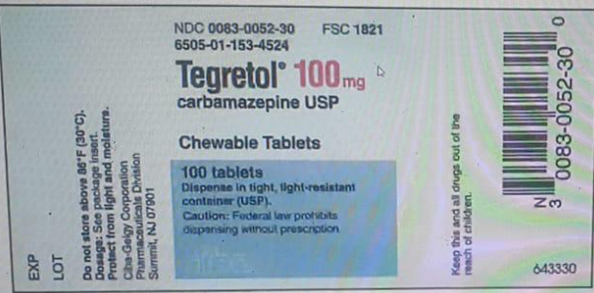
Available
3 tabs
2 tabs
1 1/2 tabs
4 tabs
The Correct Answer is B
Calculate the dosage using the ratio and proportion:
Given:
Order: 200 mg p.o. t.i.d.
Available: Tegretol 100 mg chewable tablets.
Step 1: Set up the proportion
Available dose (100 mg) : 1 tablet = Ordered dose (200 mg) : x tablets
Step 2: Solve for ?
100 mg : 1 tab = 200 mg : ? tabs
? = 200/100 = 2 tablets
Nursing Test Bank
Naxlex Comprehensive Predictor Exams
Related Questions
Correct Answer is D
Explanation
Given:
Total Heparin in solution: 25,000 units
Volume of solution: 250 mL
Infusion rate: 11 mL/hr
Step 1: Calculate the concentration of Heparin in the solution:
Concentration (units/mL) = Total Heparin (units) / Volume of solution (mL)
Concentration (units/mL) = 25,000 units / 250 mL
Concentration (units/mL) = 100 units/mL
Step 2: Calculate the infusion rate in units/hr:
Infusion rate (units/hr) = Infusion rate (mL/hr) x Concentration (units/mL)
Infusion rate (units/hr) = 11 mL/hr x 100 units/mL
Infusion rate (units/hr) = 1100 units/hr
Correct Answer is ["B","C","D","E"]
Explanation
A) Anticoagulants:
Anticoagulants, such as warfarin, heparin, and direct oral anticoagulants (DOACs), are specifically designed to prevent the formation of blood clots or to treat existing clots. They work by interfering with various stages of the clotting cascade, either by inhibiting clotting factors or by enhancing the effects of natural anticoagulants in the body.
B) Antihypertensives:
Antihypertensives, such as ACE inhibitors, beta blockers, and calcium channel blockers, are used to lower high blood pressure by relaxing blood vessels, reducing heart rate, or decreasing fluid retention. While antihypertensives can reduce the overall strain on the heart and blood vessels, they do not have an impact on the clotting process and are not designed to interfere with blood coagulation.
C) Antibiotics:
Antibiotics, such as penicillin or amoxicillin, target bacteria and prevent their growth or kill them, but they do not affect the clotting mechanisms in the blood.
D) Antipyretics:
Antipyretics, such as acetaminophen (Tylenol) or ibuprofen, work by lowering the body's set point temperature in the hypothalamus, helping to relieve fever. They do not affect the clotting cascade or the ability of blood to form clots, so antipyretics are a correct answer.
E) Antiemetics:
Antiemetics, such as ondansetron or metoclopramide, are used to prevent or treat nausea and vomiting. They primarily work by blocking the receptors in the brain that trigger nausea and vomiting but do not have an effect on the clotting process. Thus, antiemetics are a correct answer.
Whether you are a student looking to ace your exams or a practicing nurse seeking to enhance your expertise , our nursing education contents will empower you with the confidence and competence to make a difference in the lives of patients and become a respected leader in the healthcare field.
Visit Naxlex, invest in your future and unlock endless possibilities with our unparalleled nursing education contents today