
An unlicensed assistant (UAP) has previously performed client transfers safely (bed to chair) on many occasions. It would be inappropriate to delegate this unsupervised task to the UAP under which condition?
This was an older client.
The unit has a new wheelchair.
The UAP had just returned from an extended leave of absence.
It was the client's first time out of bed after surgery.
The Correct Answer is D
It would be inappropriate to delegate the unsupervised task of transferring a client from bed to chair to an unlicensed assistant (UAP) if it was the client's first time out of bed after surgery. In this situation, the client may have specific needs or limitations that require the expertise and assessment of a licensed healthcare provider. The nurse should supervise the transfer to ensure that it is performed safely and appropriately for the client's condition.
Nursing Test Bank
Naxlex Comprehensive Predictor Exams
Related Questions
Correct Answer is A
Explanation
An unlicensed assistive person (UAP) is a healthcare worker who is not licensed to perform nursing tasks but can assist with basic care under the supervision of a licensed nurse. Taking and recording vital signs is a task that can be delegated to a UAP. Making a bed and assisting with bathing are also tasks that can be delegated to a UAP. However, an unlicensed assistive person may not delegate tasks to others as they are not licensed to do so.
Correct Answer is D
Explanation
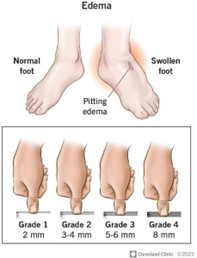
Heart failure is a condition in which the heart is unable to pump blood effectively, leading to a buildup of fluid in the body. This can result in edema (swelling) and fluid accumulation in the lungs, causing coarse crackles when breathing. The term for this condition is fluid volume excess, which refers to an excessive amount of fluid in the body.
Myocardial infarction is a heart attack, atelectasis is a collapse of lung tissue, and fluid volume deficit refers to a lack of fluid in the body.
Whether you are a student looking to ace your exams or a practicing nurse seeking to enhance your expertise , our nursing education contents will empower you with the confidence and competence to make a difference in the lives of patients and become a respected leader in the healthcare field.
Visit Naxlex, invest in your future and unlock endless possibilities with our unparalleled nursing education contents today