
An overweight young adult diagnosed with type 2 diabetes mellitus is admitted for a hernia repair.
The patient reports feeling very weak and jittery.
What actions should the nurse take? (Select all that apply)
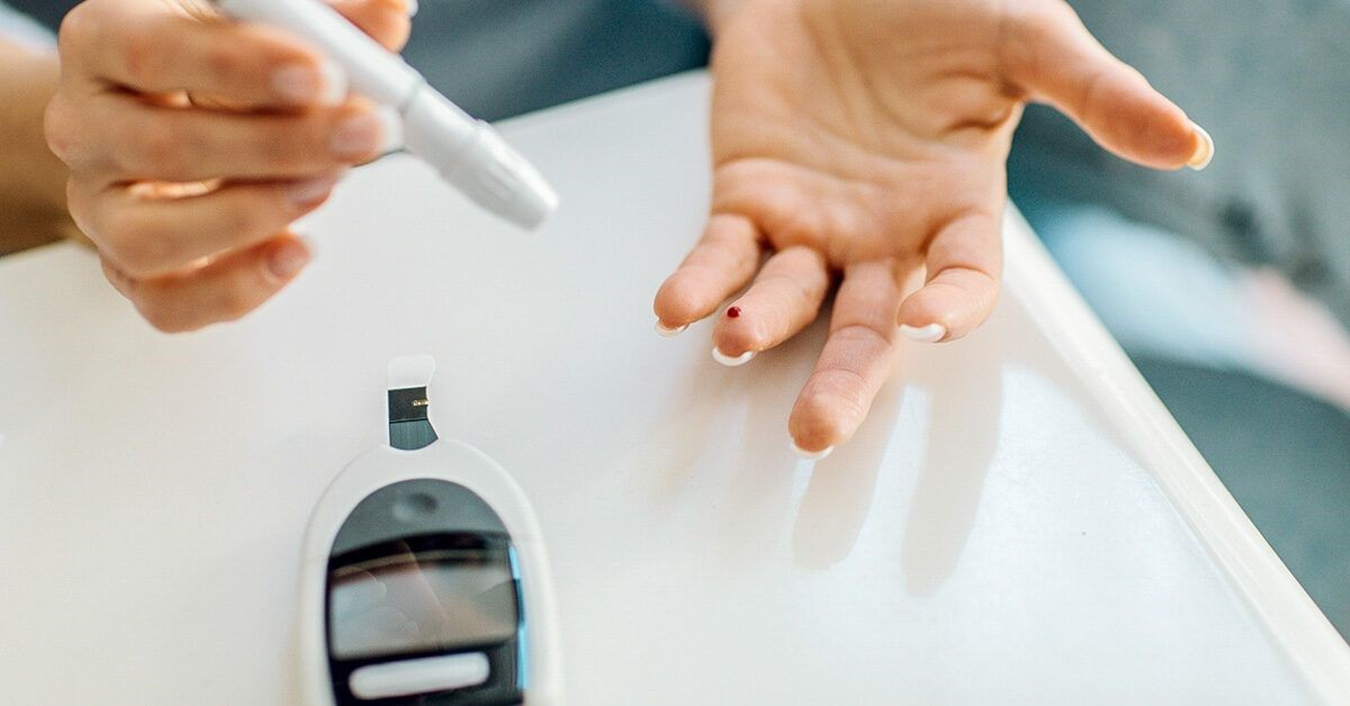
Check fingerstick glucose level.
Assess skin temperature and moisture.
Administer a PRN dose of regular insulin.
Document anxiety on the surgical checklist.
Measure pulse and blood pressure.
Correct Answer : A,B,E
Choice A rationale
Checking the fingerstick glucose level is an immediate action that the nurse should take when a patient with type 2 diabetes reports feeling weak and jittery. These symptoms could indicate hypoglycemia, a condition characterized by low blood sugar levels.
Choice B rationale
Assessing skin temperature and moisture can help the nurse determine if the patient is sweating, a common symptom of hypoglycemia.
Choice C rationale
Administering a PRN dose of regular insulin is not the appropriate action if the patient is experiencing symptoms of hypoglycemia. Insulin would further lower the patient’s blood sugar levels, potentially worsening their condition.
Choice D rationale
Documenting anxiety on the surgical checklist may not be immediately helpful in addressing the patient’s current symptoms. While it’s important to document all relevant information, the nurse’s immediate focus should be on assessing and managing the patient’s symptoms.
Choice E rationale
Measuring pulse and blood pressure can provide important information about the patient’s cardiovascular status. Hypoglycemia can cause tachycardia and potentially hypotension, so these vital signs should be monitored.
Nursing Test Bank
Naxlex Comprehensive Predictor Exams
Related Questions
Correct Answer is ["42"]
Explanation
Step 1: Convert the volume from liters to milliliters. 1 liter = 1000 mL. Step 2: Convert the time from hours to minutes. 4 hours = 240 minutes.
Step 3: Calculate the rate in mL per minute. Rate = Volume ÷ Time = 1000 mL ÷ 240 min = 4.17 mL/min.
Step 4: Calculate the drops per minute. Drops per minute = Rate × Drop factor = 4.17 mL/min
× 10 gtt/mL = 41.7 gtt/min.
Step 5: Round off the result to the nearest whole number. 41.7 gtt/min rounds off to 42 gtt/min.
Correct Answer is C
Explanation
Choice A rationale
While maintaining elevated positioning of the dependent joints on the affected side can be helpful in certain conditions such as edema or injury, it is not the immediate intervention needed for a client presenting with sudden, severe facial numbness, uneven smile with facial droop to the right side, and a hand grasp strength that is weaker on the right than the left.
Choice B rationale
Verifying prescribed laboratory tests including prothrombin time and platelet count is important in assessing the client’s coagulation status. However, it is not the immediate intervention needed in this situation.
Choice C rationale
The client’s symptoms are suggestive of a stroke. In such cases, immediate medical intervention is crucial. Starting two large-bore IV catheters and reviewing inclusion criteria for IV fibrinolytic therapy is an appropriate immediate intervention.
Choice D rationale
Administering aspirin can be beneficial in preventing further clot formation and platelet clumping in clients at risk of a stroke. However, it is not the immediate intervention needed in this situation.
Whether you are a student looking to ace your exams or a practicing nurse seeking to enhance your expertise , our nursing education contents will empower you with the confidence and competence to make a difference in the lives of patients and become a respected leader in the healthcare field.
Visit Naxlex, invest in your future and unlock endless possibilities with our unparalleled nursing education contents today