
An older client recently transferred to a rehabilitation facility after aortic valve replacement surgery is experiencing anxiety and difficulty adjusting to the transition. The healthcare provider prescribes an antidepressant and a mild sedative for sleep. Which intervention is most important for the nurse to include in the client's plan of care?
Obtain a blood pressure reading before the client gets out of bed.
Monitor and record the client's urinary output every day.
Provide the client with teaching regarding a cardiac diet.
Assess the client's vital signs every 4 hours when awake.
The Correct Answer is A
Choice A: Obtain a blood pressure reading before the client gets out of bed. This is the most important intervention, as it can prevent or detect orthostatic hypotension, which is a drop in blood pressure when changing position from lying to standing. Orthostatic hypotension can cause dizziness, fainting, or falls, and it can be caused by medications, dehydration, or cardiac problems.
Choice B: Monitor and record the client's urinary output every day. This is not the most important intervention, as it does not address the client's anxiety or adjustment issues. The urinary output should be monitored for signs of fluid balance, kidney function, or infection, but it is not a priority for this client.
Choice C: Provide the client with teaching regarding a cardiac diet. This is not the most important intervention, as it does not address the client's anxiety or adjustment issues. The cardiac diet should be taught to promote heart health, lower cholesterol, and reduce sodium intake, but it is not a priority for this client.
Choice D: Assess the client's vital signs every 4 hours when awake. This is not the most important intervention, as it does not address the client's anxiety or adjustment issues. The vital signs should be assessed for signs of infection, pain, or hemodynamic instability, but they are not a priority for this client.
Nursing Test Bank
Naxlex Comprehensive Predictor Exams
Related Questions
Correct Answer is B
Explanation
Choice B is correct because anxiety is the priority nursing problem for this client who starts to cry and states, "I just know I can't handle all the pain." Anxiety is a feeling of fear, nervousness, or apprehension that can interfere with coping and decision making. The nurse should assess the level and source of anxiety and provide emotional support and reassurance to the client. The nurse should also review the pain management techniques and explain the benefits and risks of different analgesic options.
Choice A is incorrect because knowledge deficit is not the priority nursing problem for this client who starts to cry and states, "I just know I can't handle all the pain." Knowledge deficit is a lack of information or understanding about a topic or situation that can affect learning and behavior. The nurse should evaluate the client's learning needs and provide appropriate education and resources, but this is not as urgent as addressing the client's anxiety.
Choice C is incorrect because pain intolerance is not the priority nursing problem for this client who starts to cry and states, "I just know I can't handle all the pain." Pain intolerance is an inability or unwillingness to endure pain that can affect quality of life and recovery. The nurse should assess the client's pain level and response to analgesics and adjust the pain management plan accordingly, but this is not as urgent as addressing the client's anxiety.
Choice D is incorrect because anticipatory grieving is not the priority nursing problem for this client who starts to cry and states, "I just know I can't handle all the pain." Anticipatory grieving is a process of mourning that occurs before an expected loss or death that can affect emotional and physical well-being. The nurse should acknowledge the client's feelings and provide empathy and support, but this is not as urgent as addressing the client's anxiety.
Correct Answer is D
Explanation
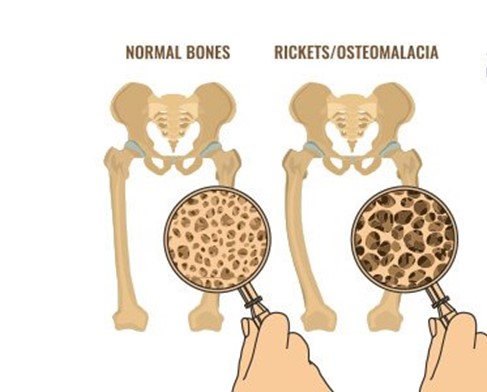
Choice A reason: Quiet, calm surroundings are not a specific environmental factor for osteomalacia, which is a condition that causes softening and weakening of the bones due to vitamin D deficiency. However, they may be beneficial for promoting rest and comfort for the client.
Choice B reason: Stimulating sounds and activity are not a specific environmental factor for osteomalacia, which is a condition that causes softening and weakening of the bones due to vitamin D deficiency. However, they may be helpful for enhancing mood and cognition for the client.
Choice C reason: Cool, moist air is not a specific environmental factor for osteomalacia, which is a condition that causes softening and weakening of the bones due to vitamin D deficiency. However, it may be preferable for preventing dehydration and overheating for the client.
Whether you are a student looking to ace your exams or a practicing nurse seeking to enhance your expertise , our nursing education contents will empower you with the confidence and competence to make a difference in the lives of patients and become a respected leader in the healthcare field.
Visit Naxlex, invest in your future and unlock endless possibilities with our unparalleled nursing education contents today