
A patient is taking high doses of prednisone to control the symptoms of acute exacerbation of systemic lupus erythematosus. When teaching the patient about the use of prednisone, which information is important for the nurse to include?
Check your temperature daily because prednisone can hide signs of an infection.
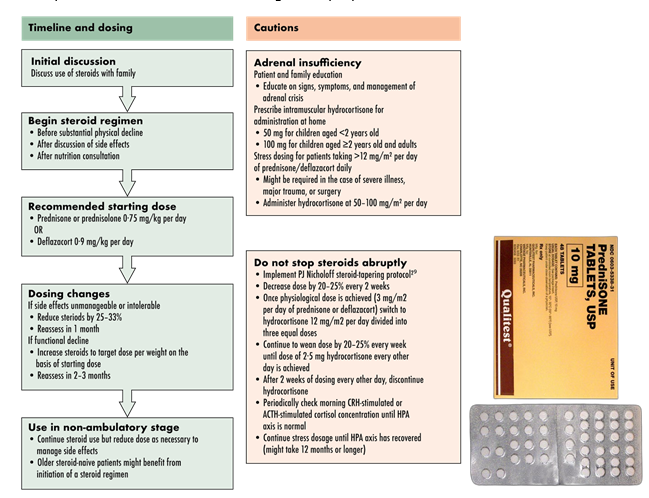
Do not stop taking the prednisone suddenly, it should be decreased gradually.
Call the doctor if you experience any mood alterations with the prednisone.
Weigh yourself daily to monitor for weight gain caused by water or increased fat.
The Correct Answer is B
Sudden discontinuation of prednisone can result in adrenal insufficiency and can lead to life-threatening complications. The nurse should also instruct the patient to report any symptoms of an infection, such as fever, to the doctor promptly, as prednisone can mask signs of an infection.
Monitoring for mood alterations and daily weight measurement are also important aspects of care, but they are not as crucial as the need to gradually taper off the medication.
Nursing Test Bank
Naxlex Comprehensive Predictor Exams
Related Questions
Correct Answer is A
Explanation
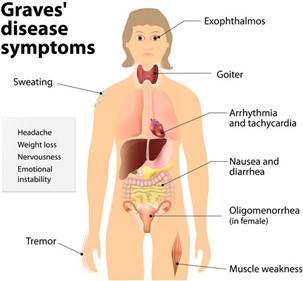
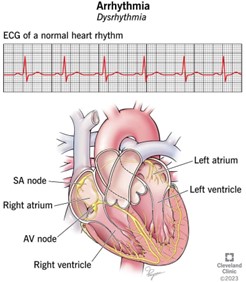
The patient's bounding, rapid pulse and systolic hypertension may indicate cardiovascular complications associated with Graves' disease, such as tachycardia, atrial fibrillation, or congestive heart failure, which can cause chest pain. It is important for the nurse to assess for any symptoms of cardiovascular distress and report any abnormal findings to the healthcare provider for prompt intervention. Questions about appetite and constipation may be relevant to the patient's overall health status, but they are not the most important concern in this situation.
Correct Answer is A
Explanation
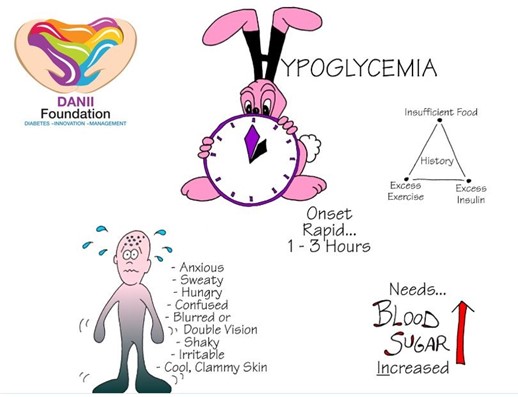
The peak time of 70/30 NPH/regular insulin premix is usually 2 to 12 hours after injection, with an average peak time of 4 to 6 hours. This means that the highest risk of hypoglycemia is typically 4 to 6 hours after the injection, which would fall between 11:00 AM and 1:00 PM. However, it's important to note that hypoglycemic reactions can occur at any time, so the client should be monitored closely throughout the day for any signs or symptoms of low blood sugar.
Whether you are a student looking to ace your exams or a practicing nurse seeking to enhance your expertise , our nursing education contents will empower you with the confidence and competence to make a difference in the lives of patients and become a respected leader in the healthcare field.
Visit Naxlex, invest in your future and unlock endless possibilities with our unparalleled nursing education contents today