
A patient is ordered bisacodyl (Dulcolax). Before administering the drug, it is most important for the nurse to assess the patient for what?
Hypertension
Anemia
Allergy to penicillin
Appendicitis.
The Correct Answer is D
A. Hypertension
Hypertension is not a specific concern related to the use of bisacodyl. Bisacodyl is a laxative, and high blood pressure is not typically considered a contraindication for its use.
B. Anemia
Anemia is not a specific concern related to the use of bisacodyl. The primary focus before administering bisacodyl is to assess for signs or symptoms of appendicitis, as its use is contraindicated in cases of suspected appendicitis.
C. Allergy to penicillin
Allergy to penicillin is not relevant in the context of administering bisacodyl. These are unrelated medications with different mechanisms of action, and allergy to penicillin does not impact the administration of bisacodyl.
D. Appendicitis
This is the correct choice. Before administering bisacodyl, it is crucial to assess the patient for signs or symptoms of appendicitis. The use of bisacodyl is contraindicated in cases of suspected appendicitis, as it may stimulate bowel activity and worsen the condition.
Nursing Test Bank
Naxlex Comprehensive Predictor Exams
Related Questions
Correct Answer is B
Explanation
A. Give the child fluids and proceed to the emergency department.
While giving the child fluids is generally important, proceeding to the emergency department without consulting poison control may not be the most appropriate initial action. Poison control can provide specific guidance based on the substance ingested.
B. Call the poison control center and follow directions.
The safest advice for a toddler who has ingested a small amount of household cleaning fluid is to call the poison control center and follow their directions. Poison control centers are staffed with professionals who can provide specific guidance based on the type and amount of the ingested substance. They can advise on the appropriate steps to take, such as whether immediate medical attention is needed or if monitoring at home is sufficient.
C. Administer syrup of ipecac and monitor for vomiting.
The use of syrup of ipecac is no longer recommended as a routine measure for ingested substances. It can have adverse effects and may not be effective for all substances. Consulting poison control for guidance is considered a more appropriate approach.
D. Have the toddler eat bread to absorb the substance.
The ingestion of certain substances may not be effectively addressed by having the toddler eat bread. The specific advice for management should come from poison control, which can provide evidence-based guidance.
Correct Answer is D
Explanation
A. Administer the dose since the patient is not toxic.
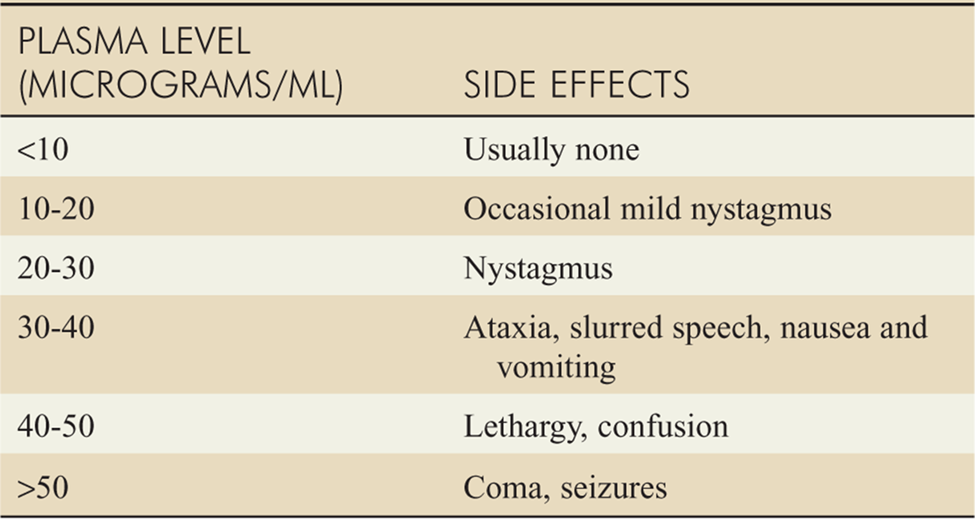
This is not the appropriate action. With a drowsy patient and a high serum phenytoin level, there is a concern for toxicity. Administering the next dose could worsen the toxicity.
B. Contact the provider to discuss decreasing the phenytoin dose.
While adjusting the dose may be a consideration, the immediate action should be to withhold the next dose and report the elevated level to the healthcare provider. The provider can then determine the appropriate course of action.
C. Give the drug and monitor closely for adverse effects.
Giving the drug without further intervention is not appropriate when there are signs of potential toxicity, such as drowsiness. Monitoring alone is not sufficient in this case.
D. Report drug toxicity to the providers.
This is the correct choice. With a drowsy patient and a serum phenytoin level of 18 mcg/mL, which is considered high, reporting the drug toxicity to the healthcare provider is the immediate and appropriate action. The provider can then determine the next steps, such as adjusting the dose or ordering additional tests.
Whether you are a student looking to ace your exams or a practicing nurse seeking to enhance your expertise , our nursing education contents will empower you with the confidence and competence to make a difference in the lives of patients and become a respected leader in the healthcare field.
Visit Naxlex, invest in your future and unlock endless possibilities with our unparalleled nursing education contents today