
A patient experiencing multisystem fluid volume deficit has tachycardia, pale, cool skin, and decreased urine output. The nurse realizes these findings are most likely a direct result of which process?
Effects of rapidly infused intravenous fluids.
The body's natural compensatory mechanisms.
Cardiac failure.
Pharmacological effects of a diuretic.
The Correct Answer is B
Choice A Reason: This is incorrect because effects of rapidly infused intravenous fluids are not the cause of the patient's findings, but a possible treatment. Rapidly infused intravenous fluids are used to restore fluid volume and prevent shock in patients with fluid volume deficit. Rapidly infused intravenous fluids can cause increased blood pressure, increased urine output, and decreased heart rate.
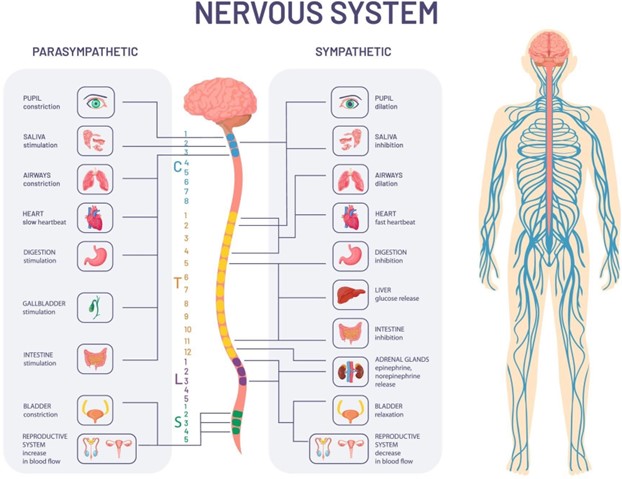
Choice B Reason: This is correct because the body's natural compensatory mechanisms are the cause of the patient's findings. The body tries to maintain homeostasis and perfusion in response to fluid volume deficit by activating the sympathetic nervous system, the renin-angiotensin-aldosterone system, and the antidiuretic hormone system. These mechanisms cause tachycardia, vasoconstriction, pale and cool skin, sodium and water retention, and decreased urine output.
Choice C Reason: This is incorrect because cardiac failure is not the cause of the patient's findings, but a possible complication. Cardiac failure occurs when the heart is unable to pump enough blood to meet the body's needs. Cardiac failure can result from prolonged fluid volume deficit, as the heart becomes overstressed and weakened by the increased workload and decreased perfusion. Cardiac failure can cause dyspnea, edema, fatigue, and cyanosis.
Choice D Reason: This is incorrect because pharmacological effects of a diuretic are not the cause of the patient's findings, but a possible cause of fluid volume deficit. A diuretic is a medication that increases urine output and excretion of sodium and water. A diuretic can cause fluid volume deficit if it is overdosed, misused, or taken with other medications that affect fluid balance. A diuretic can cause hypotension, dehydration, and electrolyte imbalances.
Nursing Test Bank
Naxlex Comprehensive Predictor Exams
Related Questions
Correct Answer is ["B","C","D","E"]
Explanation
Choice A: Furosemide (Lasix) is incorrect because it is a diuretic that increases urine output and potassium excretion. However, this medication is not effective for patients with chronic renal failure who have oliguria or anuria.
Furosemide can also cause hypokalemia, which is a low potassium level.
Choice B: Sodium polystyrene sulfonate (Kayexalate) is correct because it is a cation exchange resin that binds to potassium in the gastrointestinal tract and removes it from the body through feces. This medication can lower the serum potassium level and prevent hyperkalemia, which is a high potassium level.
Choice C: Dextrose 10% is correct because it is a hypertonic solution that raises the blood glucose level and stimulates the release of insulin. Insulin helps to move potassium from the extracellular fluid into the cells, thus lowering the serum potassium level.
Choice D: Sodium bicarbonate is correct because it is an alkalizing agent that corrects metabolic acidosis, which is a common complication of chronic renal failure. Metabolic acidosis can cause potassium to shift from the intracellular fluid to the extracellular fluid, thus raising the serum potassium level. Sodium bicarbonate can reverse this effect and lower the serum potassium level.
Choice E: Insulin is correct because it also helps to move potassium from the extracellular fluid into the cells, thus lowering the serum potassium level. Insulin can be given intravenously with dextrose 10% to prevent hypoglycemia, which is a low blood glucose level.
Correct Answer is C
Explanation
- Choice A: Respiratory acidosis is a condition that occurs when the lungs cannot remove enough carbon dioxide from the body, resulting in a low pH and a high bicarbonate level. This is not the case for the patient, who has a high pH and a high bicarbonate level.
- Choice B: Metabolic acidosis is a condition that occurs when the body produces too much acid or loses too much base, resulting in a low pH and a low bicarbonate level. This is not the case for the patient, who has a high pH and a high bicarbonate level.
- Choice C: Metabolic alkalosis is a condition that occurs when the body loses too much acid or gains too much base, resulting in a high pH and a high bicarbonate level. This is the case for the patient, who has a high pH and a high bicarbonate level.
- Choice D: Respiratory alkalosis is a condition that occurs when the lungs remove too much carbon dioxide from the body, resulting in a high pH and a low bicarbonate level. This is not the case for the patient, who has a high pH and a high bicarbonate level.
Whether you are a student looking to ace your exams or a practicing nurse seeking to enhance your expertise , our nursing education contents will empower you with the confidence and competence to make a difference in the lives of patients and become a respected leader in the healthcare field.
Visit Naxlex, invest in your future and unlock endless possibilities with our unparalleled nursing education contents today