
A nurse overhears a client diagnosed with schizophrenia talking to herself. The client keeps stating, "The flakalas are here. The flakalas are here." The nurse should recognize the client's use of the word "flakala" as an example of which of the following alterations in speech?
Associative looseness
Tangentiality
Neologism
Circumstantiality
Choice C reason:
The Correct Answer is C
Choice A reason:
Associative looseness refers to a disorganized thought process where connections between ideas are unclear or illogical. The use of the word "flakala" does not demonstrate a loose association between ideas but rather the creation of a new word.
Choice B reason:
Tangentiality occurs when a person goes off on a tangent and does not return to the original topic. In this case, the client is not going off on a tangent but is repeatedly using a made-up word, which is indicative of neologism.
Choice C reason:
Neologism is the creation of new words that others may not understand. The client's use of "flakala" fits this definition, as it appears to be a word created by the client that is not part of standard language¹. This can be a sign of disorganized thinking, where the client's internal thoughts do not align with conventional language patterns.
Choice D reason:
Circumstantiality involves providing unnecessary detail that makes communication less efficient but eventually returns to the original point. The client's statement does not include unnecessary details; it is the repetition of a newly created word, suggesting neologism.
Nursing Test Bank
Naxlex Comprehensive Predictor Exams
Related Questions
Correct Answer is C
Explanation
Choice A reason:
Bleeding is not commonly associated with the use of haloperidol. While antipsychotic medications can have a wide range of side effects, bleeding is not typically reported as an adverse effect of haloperidol.
Choice B reason:
Pancreatitis is not a recognized adverse effect of haloperidol. This condition involves inflammation of the pancreas and is more commonly associated with medications that affect the gastrointestinal system directly.
Choice C reason:
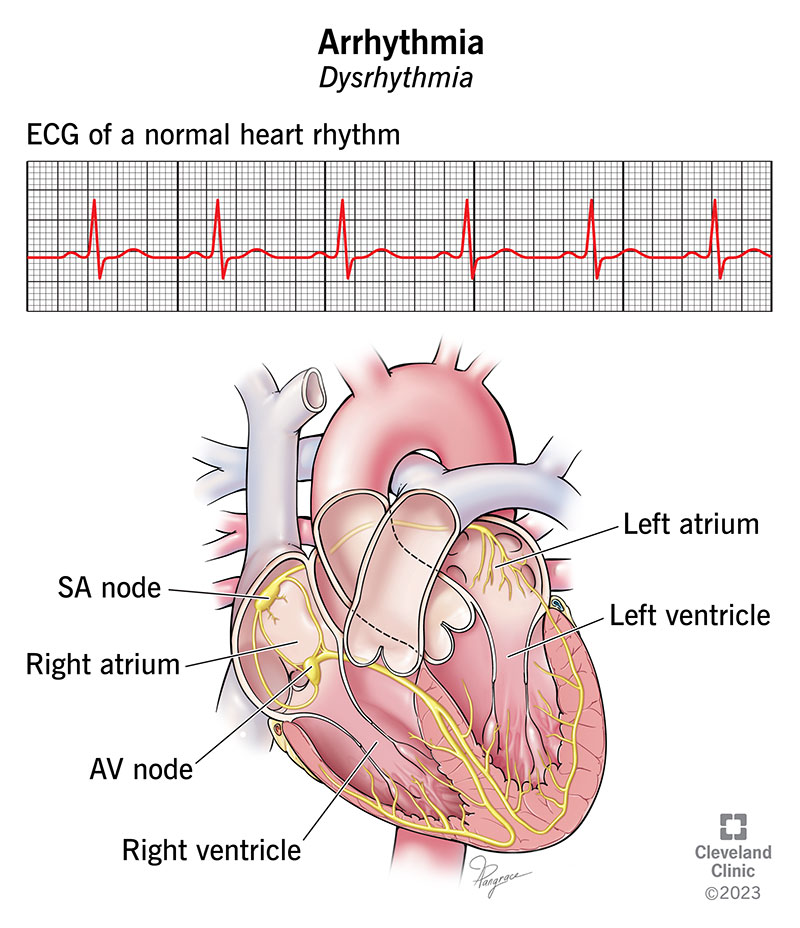
Dysrhythmias, or abnormal heart rhythms, are known adverse effects of haloperidol. This medication can affect the electrical activity of the heart, potentially leading to serious cardiac events.
Choice D reason:
Cataracts are not a direct adverse effect of haloperidol. While long-term use of some medications can increase the risk of developing cataracts, haloperidol is not specifically linked to this condition.
Correct Answer is ["A","C","D","E"]
Explanation
Choice A Reason:
Assessing the client's readiness for therapy is a crucial role of the nurse in CBT. It involves determining whether the client is willing and able to participate in therapy, understands the CBT process, and is motivated to engage in the cognitive and behavioral changes that CBT requires. This assessment helps ensure that the therapy is client-centered and tailored to the individual's specific needs and readiness level.
Choice B Reason:
While involving the client's family can be beneficial in therapy, implementing therapeutic techniques that involve only the client's family does not align with the primary goals of CBT. CBT focuses on the individual's patterns of thinking and behavior, and while family support can be part of the process, the nurse's role is not limited to family involvement alone.
Choice C Reason:
Educating the client to identify and challenge negative thoughts is a fundamental aspect of CBT. The nurse helps the client recognize their automatic negative thoughts, understand the impact these thoughts have on their emotions and behavior, and learn to challenge and reframe these thoughts in a more positive and realistic way.
Choice D Reason:
Evaluating to determine the effectiveness of the actions is part of the nurse's role in CBT. This involves monitoring the client's progress, assessing the outcomes of the interventions, and making necessary adjustments to the treatment plan. Evaluation is an ongoing process that ensures the therapy is effective and meets the client's needs.
Choice E Reason:
Collaborating with the client to set achievable goals is essential in CBT. The nurse works with the client to establish clear, measurable, and attainable goals that guide the therapy process. These goals provide direction and motivation, and they help the client focus on making specific changes that will improve their mental health.
Whether you are a student looking to ace your exams or a practicing nurse seeking to enhance your expertise , our nursing education contents will empower you with the confidence and competence to make a difference in the lives of patients and become a respected leader in the healthcare field.
Visit Naxlex, invest in your future and unlock endless possibilities with our unparalleled nursing education contents today