
A nurse is working with community members to prepare for an external disaster. The nurse is assisting the community members to compile a list of basic supplies needed in the case of a disaster. Which of the following supplies should the nurse instruct the community members to include? (Select all that apply.)
Family possessions
Matches
Clean clothing
Personal identification
Three quarts of water per person
Correct Answer : B,C,D,E
A. While sentimental, family possessions may not be practical in the context of immediate disaster preparedness.
B. Matches are useful for creating fire, providing warmth, and cooking in emergency situations.
C. Clean clothing is important for maintaining hygiene and protection from the elements.
D. Personal identification is crucial for identification, especially in situations where individuals may need to be evacuated or receive medical assistance.
E. Three quarts of water per person is essential for hydration and may be crucial in the absence of a clean water source during a disaster.
Nursing Test Bank
Naxlex Comprehensive Predictor Exams
Related Questions
Correct Answer is A
Explanation
A. Acetaminophen is often the initial choice for managing osteoarthritis pain in older adults due to its lower risk of gastrointestinal and cardiovascular side effects.
B. Celecoxib and ibuprofen are NSAIDs that may be considered but are associated with a higher risk of side effects, especially in older adults.
C. Hyaluronic acid injections are typically considered if oral medications are not effective, and the patient has persistent symptoms.
D. Ibuprofen is an NSAID and is associated with increased risk of gastrointestinal bleeding and renal impairment hence is not considered as a first line management of osteoarthritis.
Correct Answer is ["2"]
Explanation
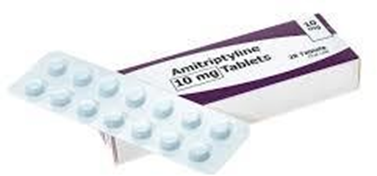
To calculate the number of tablets, the nurse should divide the prescribed dose by the available dose. In this case, 150 mg / 75 mg = 2 tablets. Therefore, the nurse should administer 2 tablets of amitriptyline.
Whether you are a student looking to ace your exams or a practicing nurse seeking to enhance your expertise , our nursing education contents will empower you with the confidence and competence to make a difference in the lives of patients and become a respected leader in the healthcare field.
Visit Naxlex, invest in your future and unlock endless possibilities with our unparalleled nursing education contents today