
A nurse is teaching a client who has a terminal illness about hospice care. Which of the following statements by the client indicates an understanding of the teaching? (Select all that apply.)
"I will need to have private insurance because Medicare does not cover hospice services."
"I can receive care in the hospital or at home."
"I can discontinue hospice care whenever I want."
"My provider will recommend that I enter hospice care when I have 1 year left to live."
"I will receive care from a variety of interprofessional team members."
Correct Answer : B,C,E
The client can receive hospice care in the hospital or at home, depending on their preferences and circumstances.
Option c is correct. The client can discontinue hospice care at any time if they choose to do so.
Choice e is correct. Hospice care involves a team approach to care, and the client will receive care from a variety of interprofessional team members, including a nurse, social worker, chaplain, and others.
Option a is incorrect. Hospice care is covered by Medicare, so the client will not need private insurance to receive hospice services.
Option d is incorrect. Hospice care can be initiated when a client has a prognosis of 6 months or less to live, but there is no requirement that the client has exactly 1 year left to live.
Nursing Test Bank
Naxlex Comprehensive Predictor Exams
Related Questions
Correct Answer is B
Explanation
Disaster preparedness includes activities that aim to prevent, mitigate, and prepare for disasters.
Organizing a mass casualty drill for community members is an example of preparedness, as it helps to train and educate community members on how to respond to a disaster.
Functioning as a manager at a temporary shelter, assisting with the identification of a biological agent, and implementing a disaster triage plan with a local medical facility are examples of response, which occurs after a disaster has occurred.
Correct Answer is D
Explanation
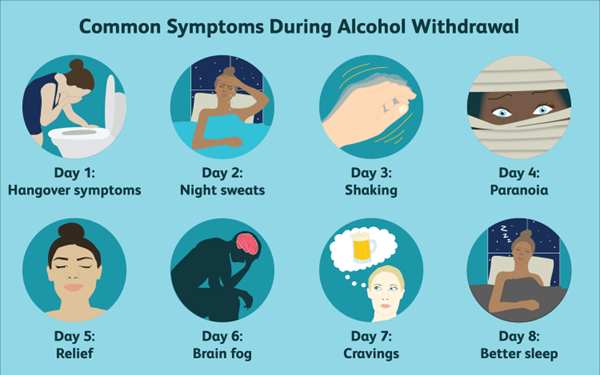
Alcohol withdrawal can cause a range of symptoms, including anxiety, tremors, hallucinations, and seizures. Seizures are a potentially serious complication of alcohol withdrawal that can occur within the first 24-48 hours after a person stops drinking. Hyperglycemia, or high blood sugar, is not typically associated with alcohol withdrawal. Hypotension, or low blood pressure, can occur in severe cases of alcohol withdrawal, but it is not a primary manifestation. Somnolence, or drowsiness, may be present in some cases of alcohol withdrawal, but it is not a primary manifestation and is not typically a cause for concern.
Whether you are a student looking to ace your exams or a practicing nurse seeking to enhance your expertise , our nursing education contents will empower you with the confidence and competence to make a difference in the lives of patients and become a respected leader in the healthcare field.
Visit Naxlex, invest in your future and unlock endless possibilities with our unparalleled nursing education contents today