
A nurse is reviewing the medical record of a child who is scheduled to receive a varicella immunization. Which of the following findings in the client's record should the nurse recognize as a contraindication?
Chemotherapy treatments
Medications for a cardiac anomaly
Clear rhinorrhea
Two diarrhea stools on the last day
The Correct Answer is A
Chemotherapy treatments, which are used to treat cancer, can suppress the immune system and weaken the body's ability to respond to vaccines. As a result, receiving a live attenuated vaccine like the varicella immunization can pose a risk of severe complications for individuals undergoing chemotherapy. Therefore, it is contraindicated to administer the varicella vaccine in this case.
Medications for a cardiac anomaly, clear rhinorrhea, and two diarrhea stools in the last day are not contraindications for receiving a varicella immunization.
While medications for a cardiac anomaly and certain medical conditions may require special consideration or precautions when administering vaccines, they are not absolute contraindications for the varicella vaccine. The decision to administer the vaccine would depend on the individual's specific circumstances and the healthcare provider's assessment.
Clear rhinorrhea (runny nose) and two diarrhea stools on the last day are considered minor illnesses and do not contraindicate the varicella vaccine. Generally, mild illnesses without fever or systemic symptoms do not pose a significant risk when receiving vaccines. However, it is always important to assess the overall health status of the individual and consult with a healthcare provider if there are concerns.
Nursing Test Bank
Naxlex Comprehensive Predictor Exams
Related Questions
Correct Answer is A
Explanation
Correct Answer is C
Explanation
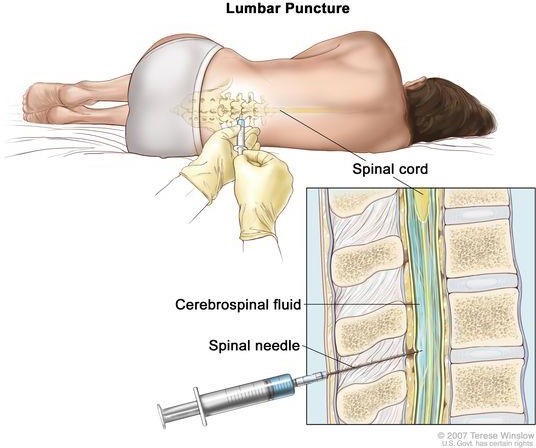
Informed consent is a legal and ethical requirement for certain medical procedures. It involves providing the client with clear and comprehensive information about the procedure, including its risks, benefits, alternatives, and expected outcomes. The client must understand the information provided and voluntarily give their consent before the procedure can be performed.
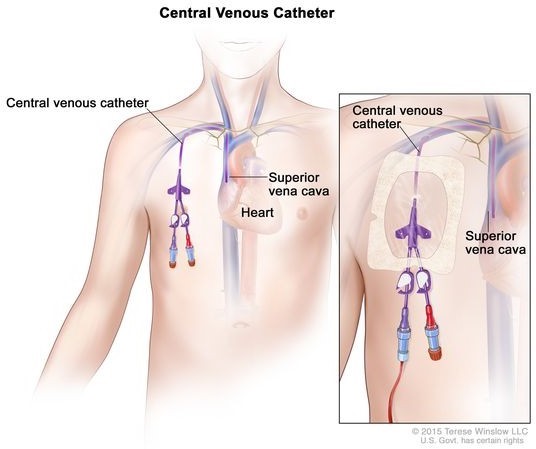
Placement of a central venous catheter is an invasive procedure that carries risks and potential complications, making it necessary to obtain informed consent from the client.
Wound irrigation with an antibiotic solution is a standard nursing intervention for wound care and does not usually involve invasive procedures. Informed consent is not typically required for this procedure.
The administration of an iron injection using the Z-track technique is a standard nursing procedure. While it involves an injection, it is not typically considered an invasive procedure that would require informed consent.
Insertion of a nasogastric tube is a common procedure that involves passing a tube through the nose and into the stomach for various purposes, such as feeding, decompression, or medication administration. While it is an invasive procedure, it is often performed in emergency or critical care situations where the client's immediate well-being takes precedence. Informed consent may not be feasible or necessary in these situations, depending on the context and urgency.
Whether you are a student looking to ace your exams or a practicing nurse seeking to enhance your expertise , our nursing education contents will empower you with the confidence and competence to make a difference in the lives of patients and become a respected leader in the healthcare field.
Visit Naxlex, invest in your future and unlock endless possibilities with our unparalleled nursing education contents today