
A nurse is reviewing a client's laboratory report. The client's ABG levels are pH 7.5, PaCO2 32 mm Hg, and HCO3 24 mEq/L. The nurse should determine that the client has which of the following acid-base imbalances?
Respiratory alkalosis
Metabolic acidosis
Respiratory acidosis
Metabolic alkalosis
The Correct Answer is A
Choice A reason: This is the correct imbalance, because respiratory alkalosis is a condition that occurs when the blood pH is high, the PaCO2 is low, and the HCO3 is normal or low. Respiratory alkalosis is caused by hyperventilation, which can result from anxiety, fever, pain, or mechanical ventilation.
Choice B reason: This is an incorrect imbalance, because metabolic acidosis is a condition that occurs when the blood pH is low, the PaCO2 is normal or low, and the HCO3 is low. Metabolic acidosis is caused by the accumulation of acids in the blood, which can result from diabetic ketoacidosis, renal failure, or lactic acidosis.
Choice C reason: This is an incorrect imbalance, because respiratory acidosis is a condition that occurs when the blood pH is low, the PaCO2 is high, and the HCO3 is normal or high. Respiratory acidosis is caused by hypoventilation, which can result from airway obstruction, chest injury, or narcotic overdose.
Choice D reason: This is an incorrect imbalance, because metabolic alkalosis is a condition that occurs when the blood pH is high, the PaCO2 is normal or high, and the HCO3 is high. Metabolic alkalosis is caused by the loss of acids from the blood, which can result from vomiting, gastric suction, or diuretic therapy.
Nursing Test Bank
Naxlex Comprehensive Predictor Exams
Related Questions
Correct Answer is A
Explanation
Choice A reason:Option Ais correct. NSAIDs like ibuprofen arecommonly prescribedfor SLE-related joint pain and inflammation, provided there are no contraindications (e.g., renal impairment). The client’s statement reflects appropriate understanding of symptom management.
Choice B reason: This is an incorrect statement, because SLE is a systemic autoimmune disease that can affect multiple organs and tissues, not just the skin. The client may experience symptoms such as rash, arthritis, nephritis, anemia, or pericarditis.
Choice C reason:Option Cis incorrect. SLE patients requirerigorous sun protection(SPF ≥30) to prevent UV-induced flares. SPF 15 is insufficient, indicating inadequate teaching.
Choice D reason: This is an incorrect statement, because a mild fever can indicate an infection or a flare-up of SLE, which can require medical intervention. The client should monitor the temperature and report any fever or signs of infection to the provider.
Correct Answer is D
Explanation
Choice A reason: This is a dangerous action, because recapping the needle on the syringe can increase the risk of needlestick injuries and bloodborne infections.
Choice B reason: This is an unnecessary action, because the client may be able to self-administer insulin injections with proper education and supervision.
Choice C reason: This is an inappropriate action, because the syringe should not be disposed of in the bathroom trash can, which is not a safe or sanitary place for sharps waste.
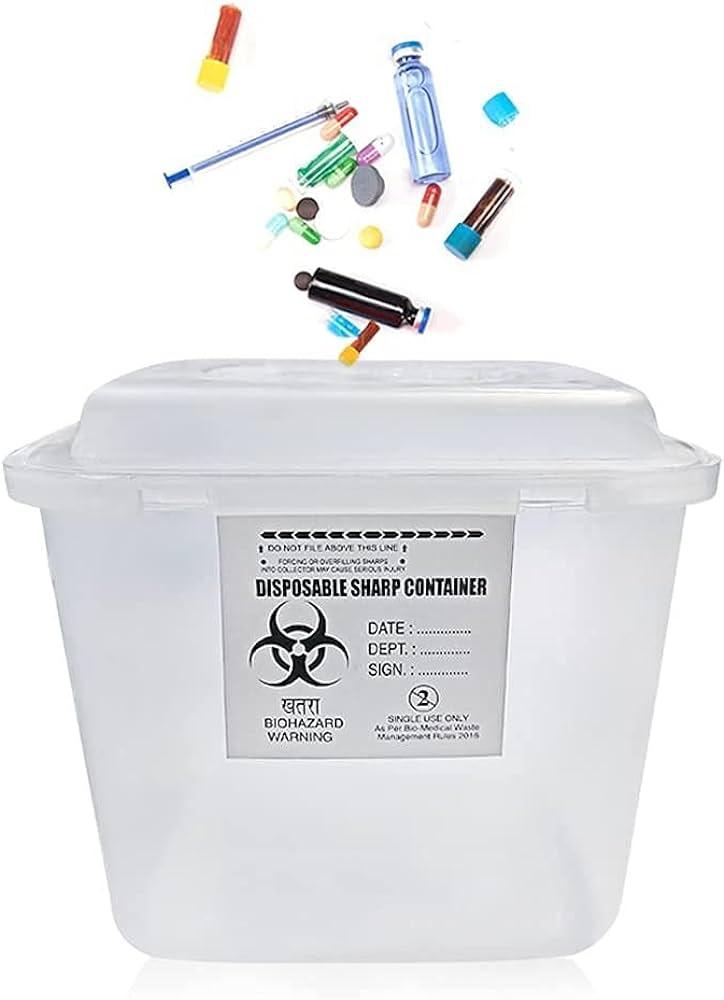
Choice D reason: This is the correct action, because placing the syringe in a puncture-proof disposal container can prevent accidental injuries and infections, and comply with the local regulations for sharps disposal.
Whether you are a student looking to ace your exams or a practicing nurse seeking to enhance your expertise , our nursing education contents will empower you with the confidence and competence to make a difference in the lives of patients and become a respected leader in the healthcare field.
Visit Naxlex, invest in your future and unlock endless possibilities with our unparalleled nursing education contents today