
A nurse is reinforcing teaching with a client about increasing her intake of fiber. Which of the following foods should the nurse encourage the client to eat?
Cheese
Eggs
Yogurt
Pears
The Correct Answer is D
Choice A reason: Cheese is a dairy product that contains protein and fat but little or no fiber.
Choice B reason: Eggs are an animal product that contains protein and fat but no fiber.
Choice C reason: Yogurt is a dairy product that contains protein and calcium but little or no fiber.
Choice D reason: Pears are a fruit that contains dietary fiber, which can help prevent constipation, lower cholesterol levels, and regulate blood sugar levels.
Nursing Test Bank
Naxlex Comprehensive Predictor Exams
Related Questions
Correct Answer is C
Explanation
Choice a is not correct because providing an alcohol-based mouthwash is an action that the nurse should avoid when caring for a client who has stomatitis. Alcohol can dry and irritate the oral mucosa and worsen the condition.
Choice b is not correct because minimizing the use of gravies and sauces is not an action that the nurse should take to help manage stomatitis. Gravies and sauces can help moisten dry foods and make them easier to swallow for a client who has stomatitis.
Choice d is not correct because discouraging drinking with a straw is not an action that the nurse should take to help manage stomatitis. Drinking with a straw can help prevent contact between fluids and sore areas of the mouth and reduce pain for a client who has stomatitis.
Correct Answer is C
Explanation
Choice A reason: Taking the medication right before eating breakfast is not an appropriate instruction, as it can reduce the absorption and effectiveness of alendronate, which is a bisphosphonate drug that inhibits bone resorption and increases bone density. The client should take the medication at least 30 min before eating or drinking anything other than water.
Choice B reason: Drinking milk with the medication is not an appropriate instruction, as it can interfere with the absorption and effectiveness of alendronate, which can bind to calcium and other minerals and form insoluble complexes that are excreted in feces. The client should avoid consuming dairy products or supplements that contain calcium, iron, magnesium, or aluminum for at least 30 min after taking the medication.
Choice C reason: Staying upright for 30 to 60 min after taking the medication is an appropriate instruction, as it can prevent esophageal irritation or ulceration that can be caused by alendronate, which can be corrosive to the mucosa if it remains in contact with it for too long. The client should not lie down or bend over until after their first food of the day.
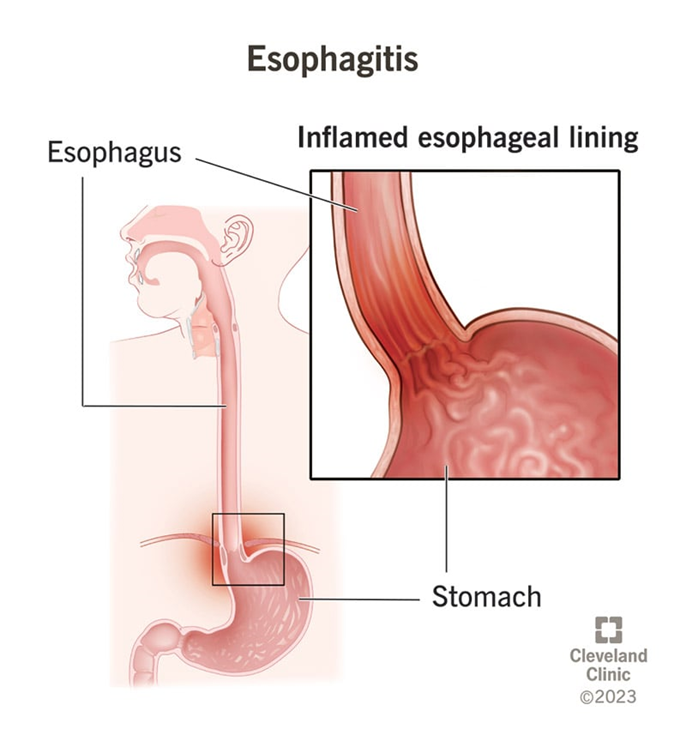
Choice D reason: Chewing the tablets thoroughly is not an appropriate instruction, as it can increase the risk of esophageal irritation or ulceration that can be caused by alendronate, which can be abrasive to the mucosa if it is not swallowed whole with a full glass of water. The client should not crush, break, or dissolve the tablets in any liquid.
Whether you are a student looking to ace your exams or a practicing nurse seeking to enhance your expertise , our nursing education contents will empower you with the confidence and competence to make a difference in the lives of patients and become a respected leader in the healthcare field.
Visit Naxlex, invest in your future and unlock endless possibilities with our unparalleled nursing education contents today