
A nurse is reinforcing discharge teaching with the guardian of a client who is neutropenic. Which of the following instructions should the nurse include?
"You can take your child to stores on weekends."
"You should inspect your child's mouth weekly for ulcers."
"You should notify your provider if your child has a fever."
"You can give your child fresh fruit for snacks."
The Correct Answer is C
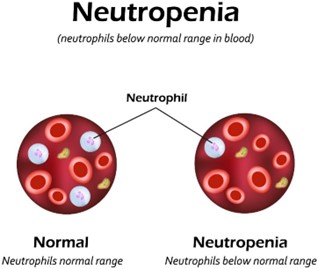
A nurse reinforcing discharge teaching with the guardian of a client who is neutropenic should include the instruction to notify the provider if the child has a fever. A fever can be a sign of infection, which can be serious in a client who is neutropenic.
The other options are not correct.
A client who is neutropenic should avoid crowded places such as stores to reduce their risk of infection. The guardian should inspect the child's mouth daily, not weekly, for ulcers. A client who is neutropenic should avoid fresh fruits as they may carry bacteria that can cause infection.
Nursing Test Bank
Naxlex Comprehensive Predictor Exams
Related Questions
Correct Answer is C
Explanation
Echolalia is the repetition of words or phrases spoken by others. In this case, the client is repeating the nurse's question, "How are you?" This is an example of echolalia.
a) "I am lovistrated" is an example of neologism, which is the creation of new words.
b) "Super, trooper, and duper" is an example of clang association, which is the use of words that sound alike but have no logical connection.
d) "Pink spots in Africa" is an example of a thought disorder, which is a disruption in the organization and expression of thoughts.
Correct Answer is D
Explanation
Answer: (D) A client has the right to view their medical record
Rationale:
A) The actual medical record belongs to the client: While clients have the right to access their medical records, the physical medical record itself typically belongs to the healthcare provider or facility that created it. The client does not own the physical document but has the right to view or obtain copies of it under HIPAA regulations.
B) A client's medical record information remains confidential, even during an emergency: While confidentiality is a core principle of the HIPAA Privacy Rule, there are specific exceptions during emergencies. For instance, healthcare providers may share information if it is necessary to provide care or if there is an imminent threat to the client or others. Thus, confidentiality can be adjusted in critical situations.
C) If the client dies, their family receives their medical record: A client’s medical records do not automatically go to their family after death. Access to a deceased person's medical records is typically granted to the executor of the estate or a legal representative, and specific legal processes must be followed. Therefore, this statement is incorrect.
D) A client has the right to view their medical record: Under the HIPAA Privacy Rule, clients have the right to access and view their medical records. They can request copies of their records, review them, and request amendments if they believe there are errors. This right is fundamental to ensuring transparency and accuracy in medical documentation.
Whether you are a student looking to ace your exams or a practicing nurse seeking to enhance your expertise , our nursing education contents will empower you with the confidence and competence to make a difference in the lives of patients and become a respected leader in the healthcare field.
Visit Naxlex, invest in your future and unlock endless possibilities with our unparalleled nursing education contents today