
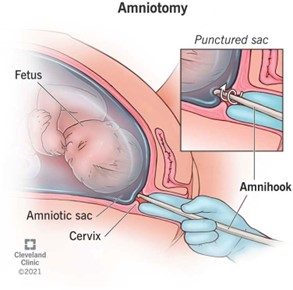
A nurse is assisting with the care of a client who is in active labor. Which of the following data is the priority
for the nurse to collect following an amniotomy?
Amniotic fluid color
The client's temperature
Frequency of contractions
Fetal heart rate
The Correct Answer is D
The priority data for the nurse to collect following an amniotomy is the fetal heart rate. This is an important nursing intervention to assess fetal well-being and identify any potential complications.
a) Assessing the color of the amniotic fluid is important, but it is not the highest priority.
b) Monitoring the client's temperature is important, but it is not the highest priority.
c) Assessing the frequency of contractions is important, but it is not the highest priority.
Nursing Test Bank
Naxlex Comprehensive Predictor Exams
Related Questions
Correct Answer is A
Explanation
The action by the AP that indicates an understanding of the procedure is elevating the client's legs before applying the stockings. Elevating the legs can help reduce swelling and make it easier to apply the stockings.
Option b is incorrect because instructing the client to dorsiflex their feet while applying the stockings may not be necessary.
Option c is incorrect because massaging the client's legs before applying the stockings may not be necessary or appropriate.
Option d is incorrect because folding the top of the stockings over after applying them may not be necessary or appropriate.
Correct Answer is B
Explanation
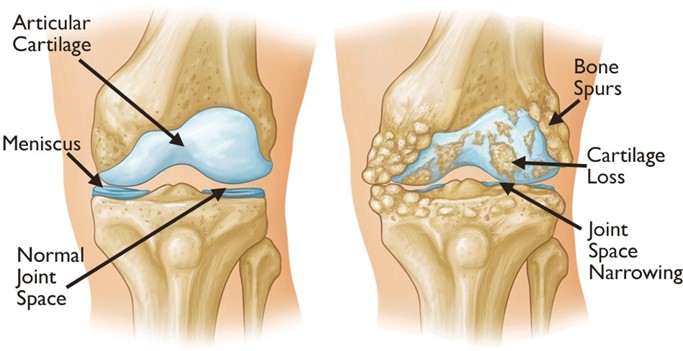
Applying heat to the affected joints can help relieve pain and stiffness. A heating pad or warm compress can be used to apply heat to the hands.
The other options are not correct because:
a) Sleeping on a soft mattress is not mentioned as a way to manage osteoarthritis symptoms.
b) Aspirin should be taken with food or milk to reduce stomach irritation.
c) Exercising inflamed joints excessively can worsen symptoms. It is important to balance rest and activity.
Whether you are a student looking to ace your exams or a practicing nurse seeking to enhance your expertise , our nursing education contents will empower you with the confidence and competence to make a difference in the lives of patients and become a respected leader in the healthcare field.
Visit Naxlex, invest in your future and unlock endless possibilities with our unparalleled nursing education contents today