
A nurse working on a mental health unit is meeting with a client who has been on the unit for 2 days. The nurse greets the client and asks, "What has been happening with you today?" Which of the following therapeutic techniques is the nurse using?
Giving broad openings
Focusing
Reflecting
Seeking clarification
The Correct Answer is A
a. Giving broad openings
The nurse is using the therapeutic technique of giving broad openings. This technique encourages the client to freely express themselves and choose the focus of the conversation. By asking, "What has been happening with you today?" the nurse is inviting the client to share their thoughts, feelings, and experiences without imposing any specific topic or direction.
Explanation for the other options:
b. Focusing: Focusing is a therapeutic technique where the nurse directs the conversation to a specific topic or issue. In this scenario, the nurse is not guiding the client's response toward a particular area of discussion.
c. Reflecting: Reflecting is a therapeutic technique where the nurse repeats or paraphrases the client's words or feelings to demonstrate understanding and encourage further exploration. The nurse's statement in this scenario does not involve reflecting the client's words or feelings.
d. Seeking clarification: Seeking clarification is a therapeutic technique used to obtain more specific information or clear up any confusion. The nurse's statement in this scenario does not involve seeking clarification from the client.
In summary, by using a broad opening, the nurse allows the client to choose the focus of the conversation
and encourages them to share their experiences and concerns.
Nursing Test Bank
Naxlex Comprehensive Predictor Exams
Related Questions
Correct Answer is B
Explanation
b. Platelet count 90,000/mm3.
Explanation:
During pregnancy, it is important to monitor the client's platelet count because a low platelet count can indicate a condition called gestational thrombocytopenia or other potential complications such as preeclampsia or HELLP syndrome. A platelet count of 90,000/mm3 is lower than the normal range and should be reported to the provider for further evaluation and management.
Option a, Hgb 12 g/dL, falls within the normal range for hemoglobin during pregnancy, which is typically between 11-13.5 g/dL. Therefore, it does not require immediate notification to the provider.
Option c, Hematocrit 37%, also falls within the normal range for hematocrit during pregnancy, which is typically between 33-42%. Therefore, it does not require immediate notification to the provider.
Option d, Creatinine 0.7 mg/dL, is within the normal range for creatinine levels and does not indicate any immediate concerns or need for notification to the provider.
It is important to remember that the interpretation of laboratory results should be done in the context of the client's individual clinical presentation and the healthcare provider's assessment. Any concerns or abnormal findings should be communicated to the provider for further evaluation and appropriate management.
Correct Answer is ["A","B","C"]
Explanation
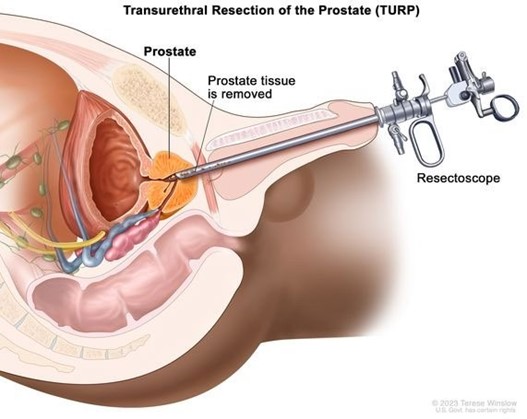
The correct answers are a. Document urine color, b. Monitor the client for reports of bladder spasms, and
c. Check the drainage tubing for obstructions.
a. Documenting urine color is important to monitor for any changes that may indicate complications or issues with the bladder irrigation. It helps identify any bleeding or clot formation.
b. Monitoring the client for reports of bladder spasms is crucial as bladder spasms can indicate irritation or obstruction in the urinary system. Prompt intervention can be provided to alleviate discomfort and prevent complications.
c. Checking the drainage tubing for obstructions is essential to ensure proper flow of the bladder irrigation solution. Obstructions in the tubing can lead to inadequate irrigation, which can affect the effectiveness of the procedure and potentially lead to complications.
d. Maintaining the client in a left side-lying position is not specifically indicated for continuous bladder irrigation after a transurethral resection of the prostate. The client's position should be based on their comfort and overall condition, and there is no specific requirement for a left side-lying position in this context.
e. Using clean technique for intermitent irrigation is not appropriate for continuous bladder irrigation. Continuous bladder irrigation requires aseptic technique to reduce the risk of infection and contamination.
By performing these actions, the nurse ensures proper monitoring, documentation, and maintenance of the bladder irrigation system, promoting the client's safety and well-being.
Whether you are a student looking to ace your exams or a practicing nurse seeking to enhance your expertise , our nursing education contents will empower you with the confidence and competence to make a difference in the lives of patients and become a respected leader in the healthcare field.
Visit Naxlex, invest in your future and unlock endless possibilities with our unparalleled nursing education contents today