
A nurse is providing teaching to the parents of a child who has impetigo. Which of the following instructions should the nurse include in the teaching?
Apply bactericidal ointment to lesions.
Soak hairbrushes in boiling water for 10 minutes.
Administer acyclovir PO two times per day.
Seal soft toys in a plastic bag for 14 days.
The Correct Answer is A
A. Impetigo is a highly contagious superficial bacterial skin infection commonly caused by Staphylococcus aureus or Streptococcus pyogenes. Treatment includes topical antibiotic (bactericidal) ointments such as mupirocin, keeping lesions clean and covered, and good hand hygiene to prevent spread. Applying a bactericidal ointment directly treats the bacterial infection and promotes healing.
B. Soaking hairbrushes in boiling water for 10 minutes is more appropriate for infestations like lice. Impetigo is spread by direct contact with lesions or contaminated items, but routine washing with soap and water is sufficient. Boiling hairbrushes is unnecessary.
C. Acyclovir is an antiviral medication used for infections such as herpes simplex or varicella. Impetigo is bacterial, not viral, so antiviral therapy is inappropriate.
D. Sealing soft toys in a plastic bag for 14 days is used for lice management. Impetigo does not require sealing toys for extended periods. Normal laundering of contaminated items is sufficient.
Nursing Test Bank
Naxlex Comprehensive Predictor Exams
Related Questions
Correct Answer is ["B","C","E"]
Explanation
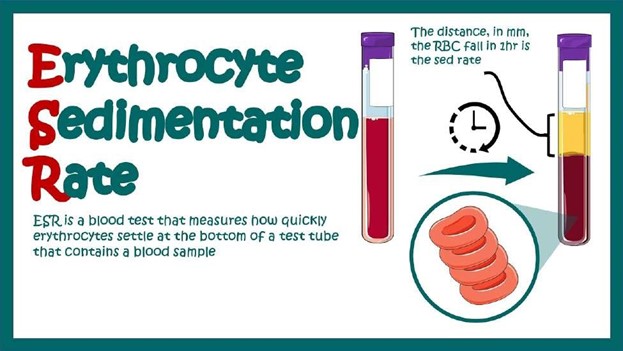
This laboratory test can contribute to confirming a diagnosis of rheumatic fever.
Choice A is wrong because Blood urea nitrogen (BUN) is not used to diagnose rheumatic fever.
Choice D is wrong because Partial thromboplastin time (PTT) is not used to diagnose rheumatic fever.
Correct Answer is A
Explanation
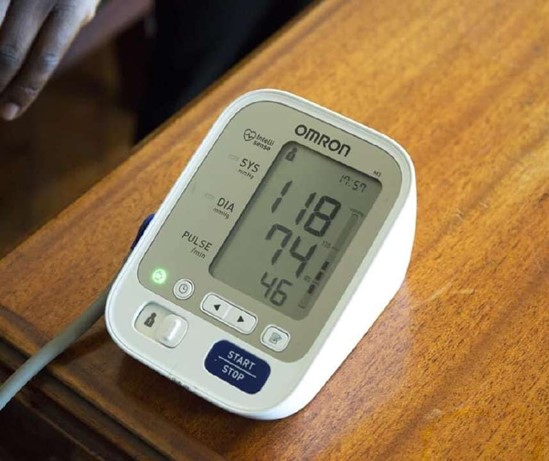
According to the normal pediatric vital signs chart provided by Cleveland Clinic, the normal blood pressure range for a 2-year-old child should be between 90- 105/55-70 mm Hg. The blood pressure of 118/74 mm Hg is higher than the normal range for a 2- year-old child and should be reported to the provider.
Choice B is wrong because a respiratory rate of 26/min falls within the normal range of 20-30 breaths per minute for a child between ages 1 and.
Choice C is wrong because a pulse rate of 98/min falls within the normal range of 80-125 beats per minute for a child between ages 1 and.
Choice D is wrong because a temperature of 37.2° C (99° F) falls within the normal range for children which is around 98.6 degrees.
Whether you are a student looking to ace your exams or a practicing nurse seeking to enhance your expertise , our nursing education contents will empower you with the confidence and competence to make a difference in the lives of patients and become a respected leader in the healthcare field.
Visit Naxlex, invest in your future and unlock endless possibilities with our unparalleled nursing education contents today