
A nurse is preparing to initiate IV antibiotic therapy for a newly admitted 12- month-old infant.
Which of the following actions should the nurse plan to take?
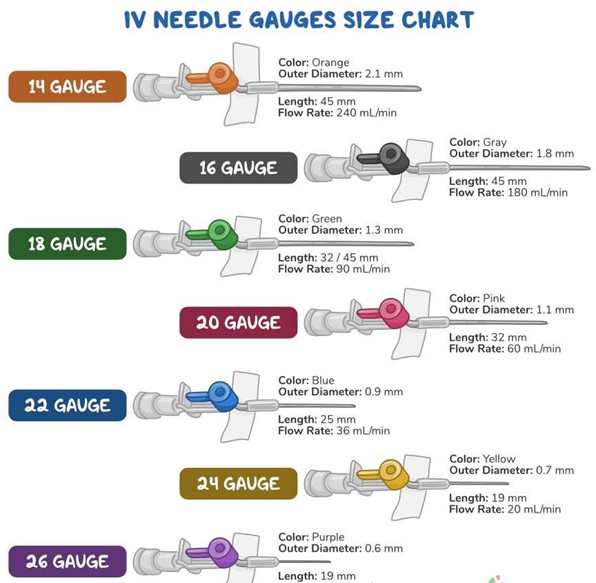
Use a 24-gauge catheter to start the IV.
Cover the insertion site with an opaque dressing.
Start the IV in the infant's foot.
Change the IV site every 3 days.
The Correct Answer is A
A 24-gauge catheter is the smallest-gauge catheter and is appropriate for administering IV fluids and medications to an infant.
Choice B is wrong because an opaque dressing would prevent the nurse from visualizing the insertion site.
Choice C is wrong because starting an IV in an infant’s foot can be painful and difficult to secure.
Choice D is wrong because IV sites should be changed every 72-96 hours or according to facility policy.
Nursing Test Bank
Naxlex Comprehensive Predictor Exams
Related Questions
Correct Answer is A
Explanation
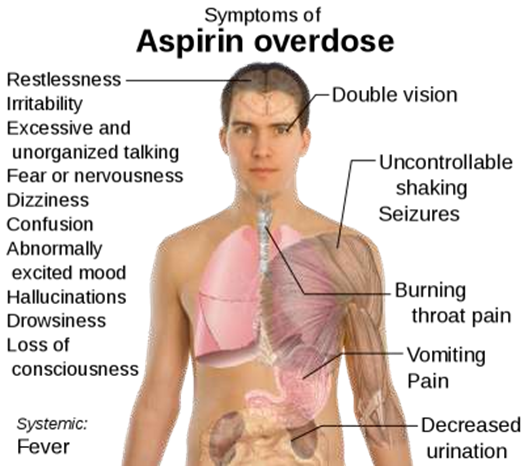
When a child ingests a toxic dose of acetylsalicylic acid, it can lead to salicylate toxicity, which can cause hyperpyrexia (high fever), among other symptoms such as vomiting, tinnitus, confusion, and dehydration. Hyperpyrexia is a serious complication that can lead to neurological damage and is a medical emergency that requires prompt intervention.
The nurse should monitor the child's temperature and administer antipyretic medications as necessary to reduce the fever.
Choice B is wrong because Polyuria, is not a common symptom of acute acetylsalicylic acid poisoning.
Salicylate toxicity can cause dehydration due to vomiting, which can lead to decreased urine output.
Choice C is wrong because Neck vein distention, is not typically associated with acetylsalicylic acid poisoning.
Neck vein distention is commonly seen in patients with heart failure, tension pneumothorax, or cardiac tamponade.
Choice D is wrong because Jaundice, is not a common symptom of acetylsalicylic acid poisoning. Jaundice is usually seen in liver diseases or hemolytic anemias.
Correct Answer is D
Explanation
Provide for periods of rest.
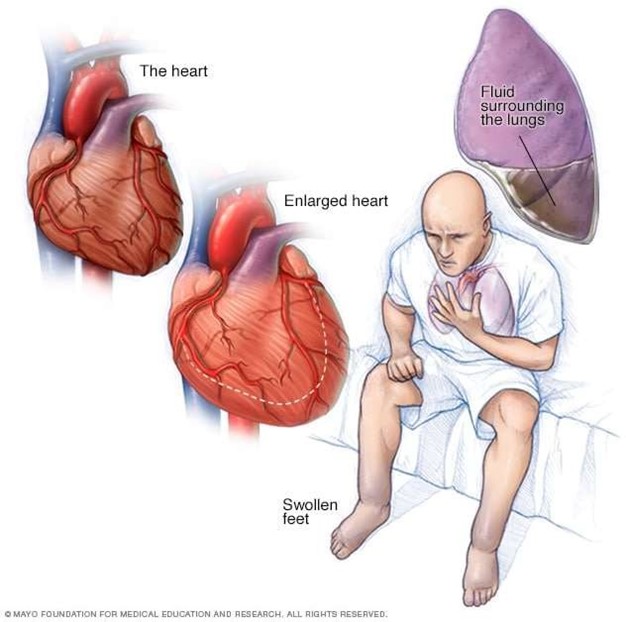
Children with heart failure may have trouble breathing, especially with activity, and may feel tired.
It is important for them to have periods of rest to help manage their symptoms.
Choice A is wrong because increasing the child’s oxygen flow rate should be done under the guidance of a healthcare provider.
Choice B is wrong because it is important to monitor the child’s weight more frequently than once a month.
Choice C is wrong because digoxin is a medication that can help the heart beat stronger with a more regular rhythm and should not be withheld based on pulse rate alone.
Whether you are a student looking to ace your exams or a practicing nurse seeking to enhance your expertise , our nursing education contents will empower you with the confidence and competence to make a difference in the lives of patients and become a respected leader in the healthcare field.
Visit Naxlex, invest in your future and unlock endless possibilities with our unparalleled nursing education contents today