
A nurse in a provider's office is preparing to administer immunizations to a 12- year-old client during a well-child visit.
Which of the following immunizations should the nurse plan to administer?
Hepatitis
Varicella.
Diphtheria, tetanus, and pertussis (DTaP).
Human papillomavirus (HPV).
Human papillomavirus (HPV).
The Correct Answer is D
The nurse should plan to administer the human papillomavirus (HPV) vaccine to the 12-year-old client.

The Centers for Disease Control and Prevention (CDC) recommends that children aged 11-12 years old receive two doses of the HPV vaccine separated by 6-12 months.
Choice A is wrong because Hepatitis A vaccine is typically given to children at age.
Choice B is wrong because Varicella vaccine is typically given to children at ages 12-15 months and 4-6 years.
Choice C is wrong because DTaP vaccine is typically given to children at ages 2, 4, and 6 months, and between ages 15-18 months and 4-6 years.
Nursing Test Bank
Naxlex Comprehensive Predictor Exams
Related Questions
Correct Answer is C
Explanation
During a seizure, it is important to clear the area around the person of anything hard or sharp to prevent injury.
Choice A is wrong because Minimize movement of the limbs, is not a recommended action during a seizure as it is important not to hold the person down or try to stop their movements.
Choice B is wrong because Insert a tongue blade between the teeth, is not a recommended action during a seizure as it is important not to put anything in the person’s mouth.
Choice D is wrong because Place the child in a prone position, is not a recommended action during a seizure as it is important to turn the person gently onto one side to help them breathe.
Correct Answer is A
Explanation
An adolescent who has sickle cell anemia and slurred speech should be assessed first.
Slurred speech can be a sign of a stroke, which is a known complication of sickle cell anemia.
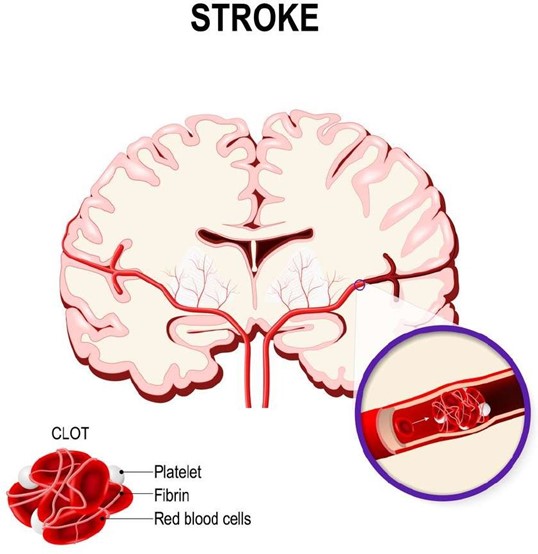
This requires immediate medical attention.
Choice B is wrong because while pain management is important, it is not as urgent as a potential stroke.
Choice C is wrong because while administering medication is important, it is not as urgent as a potential stroke.
Choice D is wrong because while wound care is important, it is not as urgent as a potential stroke.
Whether you are a student looking to ace your exams or a practicing nurse seeking to enhance your expertise , our nursing education contents will empower you with the confidence and competence to make a difference in the lives of patients and become a respected leader in the healthcare field.
Visit Naxlex, invest in your future and unlock endless possibilities with our unparalleled nursing education contents today