
A nurse is providing discharge teaching about blood glucose monitoring for a client who has a new diagnosis of type 2 diabetes mellitus.
The nurse should instruct the client to obtain which of the following supplies?
Sterile lancets.
Compression stockings.
Toenail clippers.
Hand mirror.
The Correct Answer is A

The nurse should instruct the client to obtain sterile lancets for blood glucose monitoring.
Lancets are small needles used to prick the skin to obtain a blood sample for testing blood glucose levels.
Choice B is wrong because compression stockings are not necessary for blood glucose monitoring.
Choice C is wrong because toenail clippers are not necessary for blood glucose monitoring.
Choice D is wrong because a hand mirror is not necessary for blood glucose monitoring.
Nursing Test Bank
Naxlex Comprehensive Predictor Exams
Related Questions
Correct Answer is B
Explanation
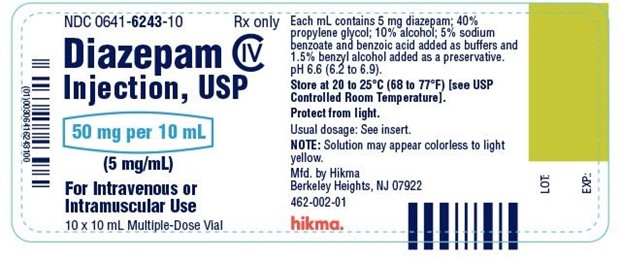
The priority intervention for a nurse planning care for a client who has status epilepticus is to administer diazepam intravenously to the client.
Diazepam is a benzodiazepine medication that can help stop seizure activity and is often used as a first-line treatment for status epilepticus.
Choice A is incorrect because while phenytoin can be used to treat seizures, it is not typically used as a first-line treatment for status epilepticus.
Choice C is incorrect because while providing oxygen can be an important intervention for clients experiencing seizures, it is not the priority intervention.
Choice D is incorrect because while turning the client to the lateral position during seizure activity can help prevent aspiration, it is not the priority intervention.
Correct Answer is C
Explanation
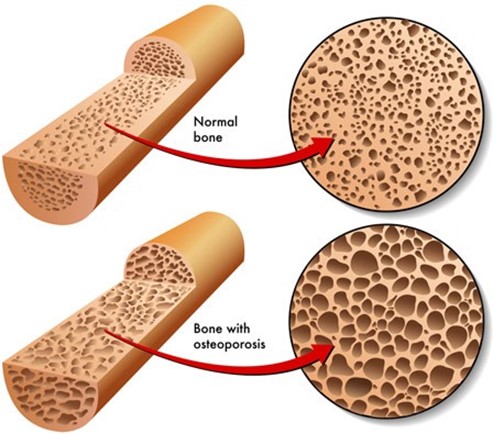
Leuprolide can cause bone loss, which can lead to osteoporosis and an increased risk of bone fractures.
Choice A, Pallor, is not the correct answer because pallor (pale skin) is not a common side effect of leuprolide.
Choice B, Increased appetite, is not the correct answer because increased appetite is not a common side effect of leuprolide.
Choice D, Hypoglycemia, is not the correct answer because hypoglycemia (low blood sugar) is not a common side effect of leuprolide.
Whether you are a student looking to ace your exams or a practicing nurse seeking to enhance your expertise , our nursing education contents will empower you with the confidence and competence to make a difference in the lives of patients and become a respected leader in the healthcare field.
Visit Naxlex, invest in your future and unlock endless possibilities with our unparalleled nursing education contents today