
A nurse is providing dietary teaching to a client who has diverticular disease. Which of the following food choices should the nurse recommend as having the highest fiber content?
3 oz turkey
1/2 cup cooked peas
1 cup low-fat plain yogurt
1/2 cup cooked white rice
The Correct Answer is B
A. Turkey is a lean source of protein but is not particularly high in fiber.
B. Cooked peas are high in fiber and are a good choice for individuals with diverticular disease, as fiber can help prevent constipation and reduce the risk of diverticulitis flare-ups.
C. Low-fat plain yogurt is a good source of protein and calcium but is not particularly high in fiber.
D. Cooked white rice is low in fiber compared to other grains and legumes and may not provide significant benefits for individuals with diverticular disease.
Nursing Test Bank
Naxlex Comprehensive Predictor Exams
Related Questions
Correct Answer is A
Explanation
A. Pork and its by-products, such as ham, are prohibited in strict halal dietary guidelines.
B. Lentils are permissible in halal dietary guidelines and can be included in the client's meal.
C. Fish is generally permissible in halal dietary guidelines, so baked fish with rice is an acceptable option.
D. Beef is permissible in halal dietary guidelines, but the gravy should be checked to ensure it does not contain any non-halal ingredients.
Correct Answer is C
Explanation
A. Parkinson's disease and monoamine oxidase inhibitors (MAOIs) do not typically require a reduction in intake of high-calorie foods. In fact, maintaining adequate nutrition and calorie intake is important for individuals with Parkinson's disease.
B. Grapefruit is not typically contraindicated with monoamine oxidase inhibitors. However, it's important for the client to discuss any potential interactions between grapefruit and their specific medication with their healthcare provider.
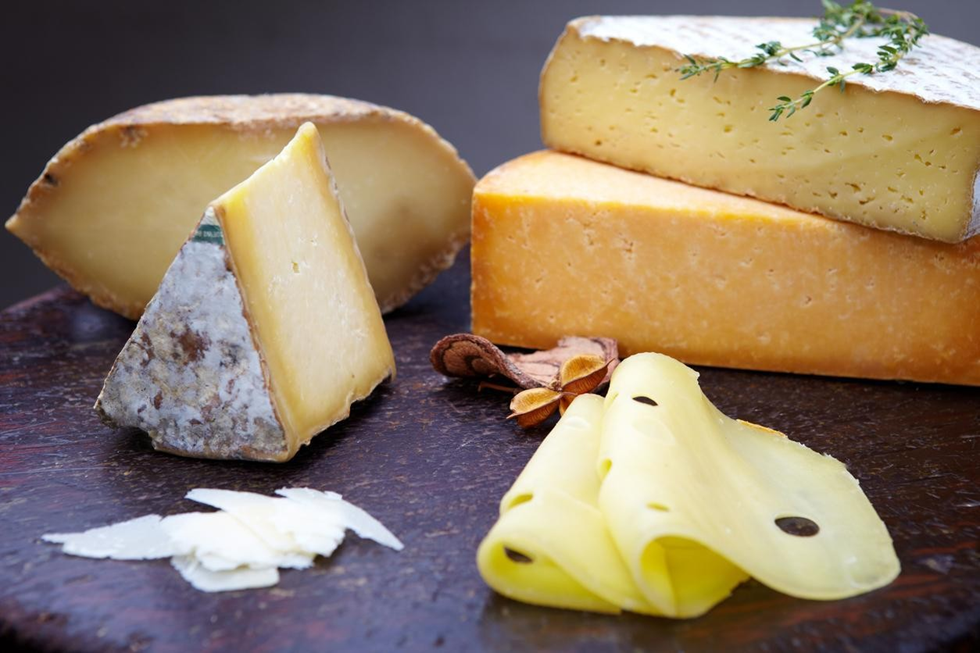
C. Aged cheeses contain tyramine, a substance that can interact with MAOIs and lead to hypertensive crisis. Therefore, individuals taking MAOIs should avoid aged cheeses to prevent this interaction.
D. Maintaining a low-protein diet is not typically recommended for individuals with Parkinson's disease or those taking MAOIs. In fact, adequate protein intake is important for overall health and muscle function.
Whether you are a student looking to ace your exams or a practicing nurse seeking to enhance your expertise , our nursing education contents will empower you with the confidence and competence to make a difference in the lives of patients and become a respected leader in the healthcare field.
Visit Naxlex, invest in your future and unlock endless possibilities with our unparalleled nursing education contents today