
A nurse is providing dietary teaching to a client who has a body mass index of 28. Which of the following actions should the nurse take?
Recommend a total fiber intake of 12 g each day.
Refer the client to a weight-loss support group.
Advise the client to add 500 calories per day to the diet.
Encourage the client to continue current daily caloric intake.
The Correct Answer is B
Choice A reason: Recommending a total fiber intake of 12 g each day is not an appropriate action for the nurse to take because it is too low for most adults. The recommended dietary allowance (RDA. for fiber is 25 g per day for women and 38 g per day for men, which can help lower cholesterol, regulate blood sugar, and promote bowel health.
Choice B reason: Referring the client to a weight-loss support group is an appropriate action for the nurse to take because it can help the client achieve and maintain a healthy weight. A body mass index (BMI) of 28 indicates overweight, which can increase the risk of chronic diseases, such as diabetes, hypertension, and cardiovascular disease. A weight-loss support group can provide education, motivation, and accountability for the client.
Choice C reason: Advising the client to add 500 calories per day to the diet is not an appropriate action for the nurse to take because it can lead to weight gain. A client who has a BMI of 28 does not need to increase their caloric intake unless they have other medical conditions or nutritional needs that require more calories. Adding 500 calories per day to the diet can result in gaining about one pound per week, which can worsen the health outcomes of the client.
Choice D reason: Encouraging the client to continue current daily caloric intake is not an appropriate action for the nurse to take because it may prevent weight loss. A client who has a BMI of 28 needs to reduce their caloric intake by 500 to 1,000 calories per day to lose one to two pounds per week, which is considered a safe and effective rate of weight loss.
Nursing Test Bank
Naxlex Comprehensive Predictor Exams
Related Questions
Correct Answer is A
Explanation
Choice A reason: Tuna fish is a good food choice for an older adult client who has difficulty chewing due to missing teeth because it is soft, moist, and easy to swallow. Tuna fish also provides protein, omega-3 fatty acids, and vitamin D for the client.
Choice B reason: Roast beef is not a good food choice for an older adult client who has difficulty chewing due to missing teeth because it is tough, dry, and hard to chew. Roast beef can cause pain, fatigue, or choking for the client who has missing teeth. Roast beef should be avoided or cut into very small pieces and moistened with gravy or sauce before consuming.
Choice C reason: Apple slices are not a good food choice for an older adult client who has difficulty chewing due to missing teeth because they are crisp, firm, and sticky. Apple slices can cause irritation or injury to the gums or mouth or dislodge any remaining teeth. Apple slices should be avoided or cooked until soft and mashed before consuming.
Choice D reason: Dried fruit is not a good food choice for an older adult client who has difficulty chewing due to missing teeth because they are chewy, sticky, and sugary. Dried fruit can adhere to the gums or teeth and cause dental caries or gum disease. Dried fruit should be avoided or soaked in water until soft and cut into small pieces before consuming.
Correct Answer is A
Explanation
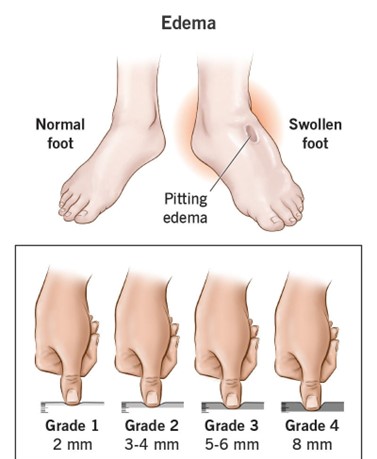
Choice A reason: Reducing the client's sodium intake is an appropriate intervention for the nurse to take because it can help prevent fluid retention and edema, which are complications of heart failure. Sodium intake should be limited to 2 g per day or less for clients who have heart failure.
Choice B reason: Restricting the client's protein intake is not an appropriate intervention for the nurse to take because it can cause malnutrition and muscle wasting, which can worsen heart failure. Protein intake should be adequate to meet the client's nutritional needs and support cardiac function. Protein intake should be about 0.8 to 1.2 g per kg of body weight per day for clients who have heart failure.
Choice C reason: Weighing the client once per week is not an appropriate intervention for the nurse to take because it can delay the detection and treatment of fluid overload, which can worsen heart failure. The client should be weighed daily at the same time and with the same scale and clothing to monitor fluid status and adjust medication dosage.
Choice D reason: Providing the client with three large meals per day is not an appropriate intervention for the nurse to take because it can increase the workload of the heart and cause dyspnea, fatigue, or chest pain, which are symptoms of heart failure. The client should be provided with small, frequent meals that are low in sodium, fat, and cholesterol to reduce cardiac stress and promote digestion.
Whether you are a student looking to ace your exams or a practicing nurse seeking to enhance your expertise , our nursing education contents will empower you with the confidence and competence to make a difference in the lives of patients and become a respected leader in the healthcare field.
Visit Naxlex, invest in your future and unlock endless possibilities with our unparalleled nursing education contents today