
A nurse is providing care to a newborn who is receiving phototherapy. Which action would the nurse most likely include in the plan of care?
keeping the newborn in the supine position
reducing the amount of fluid intake to 8 ounces daily
ensuring that the newborn is covered or clothed
covering the newborn's eyes while under the bililights
The Correct Answer is D
A. While positioning is important for phototherapy, the supine position may not always be necessary.
B. Restricting fluid intake may lead to dehydration, which is not appropriate, especially during phototherapy.
C. Ensuring the newborn is covered or clothed may interfere with the effectiveness of phototherapy.
D. Covering the newborn's eyes with protective shields or patches while under the bililights helps prevent damage to the eyes from the bright light.
Nursing Test Bank
Naxlex Comprehensive Predictor Exams
Related Questions
Correct Answer is ["A","D","E"]
Explanation
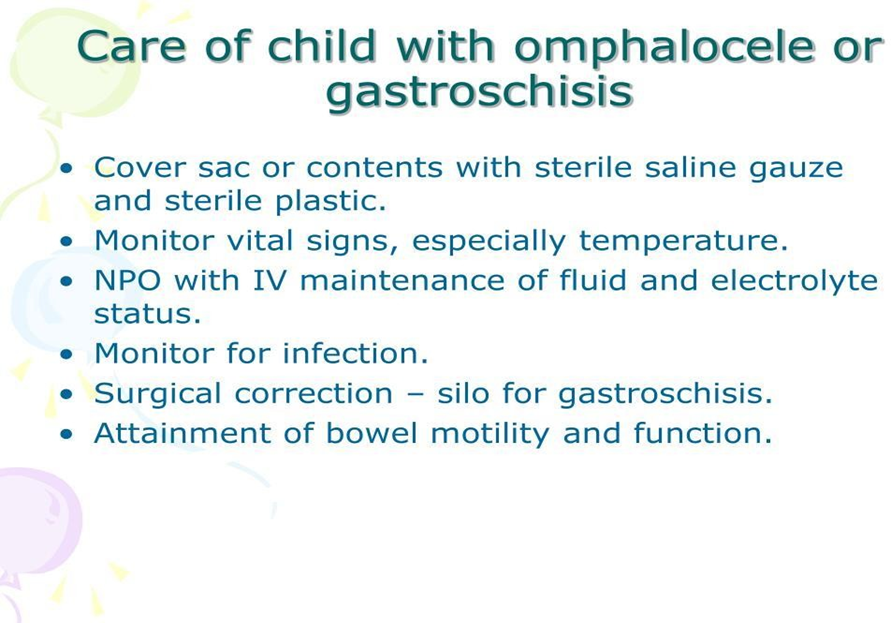
A. Minimizing fluid loss is important in the care of a neonate with an omphalocele to prevent dehydration.
B. Preventing neonatal weight loss is not directly related to the care of an omphalocele.
C. While monitoring for hyperbilirubinemia is important in neonatal care, it's not specific to the care of an omphalocele.
D. Maintaining perfusion to the exposed abdominal contents is essential for preventing complications such as ischemia or necrosis.
E. Protecting the abdominal contents helps prevent infection and trauma to the exposed organs.
Correct Answer is C
Explanation
A. Surgery may be considered in severe cases or if conservative treatments fail, but it is not typically the first-line treatment for Erb's palsy.
B. Immobilization may be part of the treatment plan in some cases, but it is usually accompanied by physical therapy rather than being the sole treatment.
C. Physical therapy is often the initial treatment for Erb's palsy, focusing on gentle stretching exercises, range of motion activities, and strengthening exercises to improve muscle function and joint mobility.
D. While Erb's palsy may improve over time for some infants, early intervention with physical therapy is generally recommended to optimize outcomes and prevent long- term complications.
Whether you are a student looking to ace your exams or a practicing nurse seeking to enhance your expertise , our nursing education contents will empower you with the confidence and competence to make a difference in the lives of patients and become a respected leader in the healthcare field.
Visit Naxlex, invest in your future and unlock endless possibilities with our unparalleled nursing education contents today