
A nurse is preparing to perform a blood glucose test. After performing hand hygiene and donning gloves, in which order should the nurse perform the following actions to obtain a capillary blood sample? (Move the steps into the box on the right, placing them in the order of performance. Use all the steps.)
Cleanse the site with an antiseptic swab.
Allow the site to dry.
Pierce the puncture site quickly.
Squeeze the site gently to obtain a blood droplet.
Apply blood to the test strip.
The Correct Answer is A, B, C, D, E
A. Cleanse the site with an antiseptic swab: Begin by cleaning the puncture site to reduce the risk of infection. B. Allow the site to dry: Let the antiseptic dry completely to prevent contamination or dilution of the blood sample. C. Pierce the puncture site quickly: Use a lancet to pierce the skin in one swift motion to minimize discomfort. D. Squeeze the site gently to obtain a blood droplet: Gently apply pressure to the site to encourage a droplet of blood to form. E. Apply blood to the test strip: Once the blood droplet forms, apply it to the test strip for analysis.
Nursing Test Bank
Naxlex Comprehensive Predictor Exams
Related Questions
Correct Answer is A
Explanation
Choice A Reason:
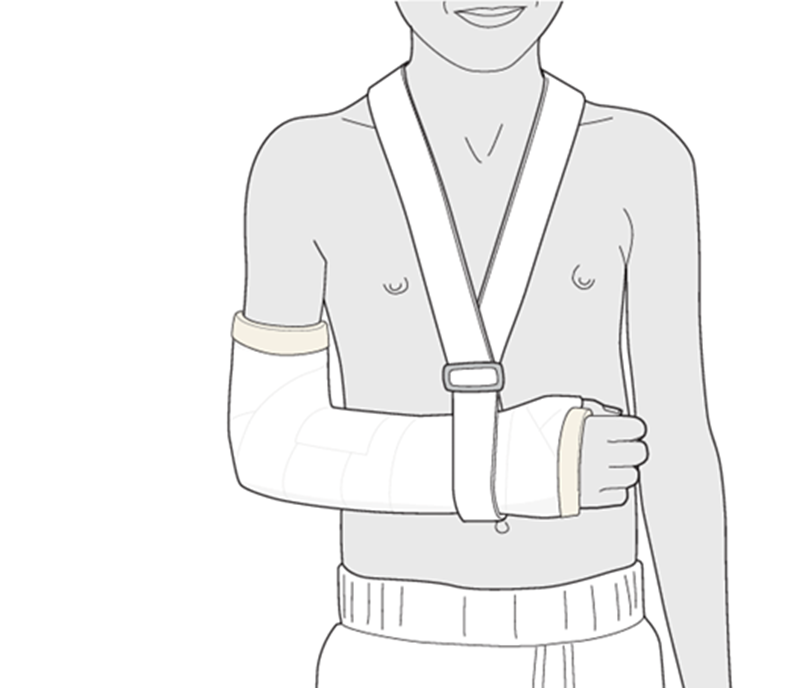
The client's fingers are cool to the touch is correct. Coolness of the fingers within a short time after a cast application can indicate compromised circulation or potential compartment syndrome, which requires urgent attention to prevent tissue damage or loss of function. It suggests impaired blood flow to the fingers, which is a serious concern requiring immediate evaluation by the provider.
Choice B Reason:
The client reports severe itching under the cast is incorrect. While itching can be uncomfortable, it might not pose an immediate threat. Itching can commonly occur as the skin heals and can be managed through non-invasive means.
Choice C Reason:
The client's capillary refill is 3 seconds is incorrect. A capillary refill of 3 seconds is slightly prolonged but doesn't typically indicates an immediate emergency. However, if this finding worsens or if combined with other concerning symptoms, it might warrant further assessment.
Choice D Reason:
The client reports increased pain at the area of the fracture is incorrect. Increased pain after a cast application can be expected initially, especially within 2 hours of the procedure. However, persistent or severe pain could indicate issues like poor alignment, swelling, or other complications. While it's important to address pain, it might not require immediate reporting unless accompanied by other concerning symptoms.
Correct Answer is D
Explanation
Choice A Reason:
"I can have clear liquids up to 3 hours before the procedure." This is incorrect. Clients are usually instructed to be NPO (nothing by mouth) for a certain period before the procedure, typically 6-8 hours, to reduce the risk of aspiration.
Choice B Reason:
"I can eat as soon as the procedure is completed." This is incorrect. Clients should not eat or drink until the gag reflex returns, which can take a few hours after the procedure.
Choice C Reason:
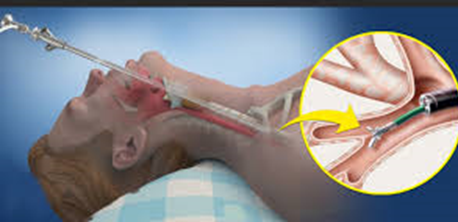
"I will receive an injection of radioactive material prior to having the procedure.” This is incorrect. An injection of radioactive material is not part of a bronchoscopy. This might be confused with a different diagnostic procedure, such as a PET scan.
Choice D Reason:
"I might have blood-tinged sputum after the procedure." This statement indicates an understanding of the teaching. It is common for clients to have a small amount of blood-tinged sputum following a bronchoscopy due to the irritation caused by the procedure.
Whether you are a student looking to ace your exams or a practicing nurse seeking to enhance your expertise , our nursing education contents will empower you with the confidence and competence to make a difference in the lives of patients and become a respected leader in the healthcare field.
Visit Naxlex, invest in your future and unlock endless possibilities with our unparalleled nursing education contents today