
A nurse is preparing to administer digoxin 1.5 mg PO to a client. The amount available is digoxin 0.5 mg tablet. How many tablets should the nurse administer?
(Round the answer to the nearest whole number. Use a leading zero if it applies. Do not use a trailing zero.)
The Correct Answer is ["3"]
Step-by-Step Calculation:
Step 1: Determine the dose required.
- Dose required = 1.5 mg
Step 2: Determine the dose available per tablet.
- Dose available per tablet = 0.5 mg
Step 3: Calculate the number of tablets needed.
- Number of tablets = Dose required ÷ Dose available per tablet
- Number of tablets = 1.5 mg ÷ 0.5 mg/tablet
Step 4: Perform the division.
- 1.5 ÷ 0.5 = 3
Result: The nurse should administer 3 tablets.
Therefore, the nurse should administer 3 tablets.
Nursing Test Bank
Naxlex Comprehensive Predictor Exams
Related Questions
Correct Answer is A
Explanation
Choice A Reason:
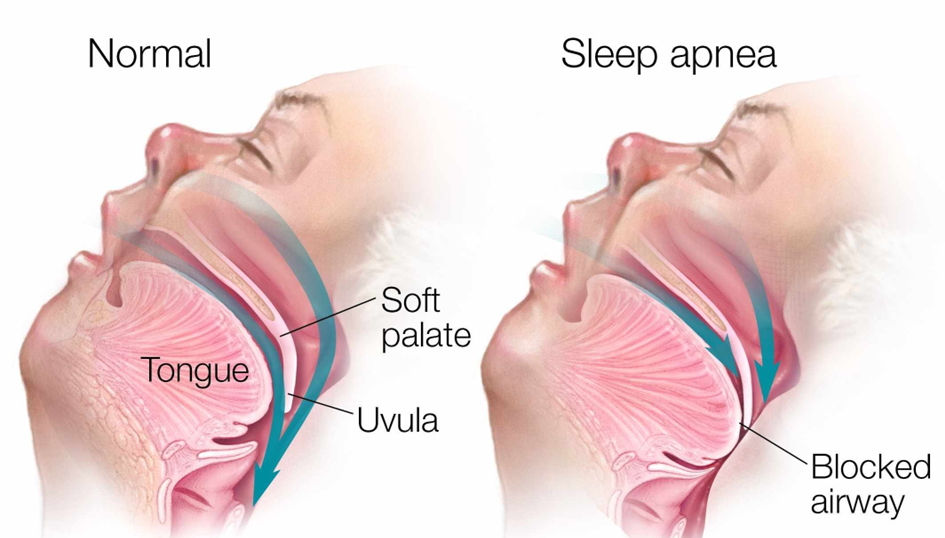
Losing weight is one of the most effective ways to reduce the severity of obstructive sleep apnea (OSA). Excess weight, especially around the neck, can increase the risk of airway obstruction during sleep. Studies have shown that losing even 5-10% of body weight can significantly improve OSA symptoms. Therefore, the statement about losing 50 pounds indicates a good understanding of how weight loss can help manage sleep apnea.
Choice B Reason:
Taking a sleeping pill at night is not recommended for individuals with obstructive sleep apnea. Many sleeping pills, especially those that are sedatives or muscle relaxants, can worsen sleep apnea by relaxing the muscles of the throat, leading to increased airway obstruction. Therefore, this statement does not indicate an understanding of the appropriate management of sleep apnea.
Choice C Reason:
Using a humidifier can help alleviate some symptoms associated with sleep apnea, such as dry mouth and nasal congestion, but it does not directly reduce the number of apneic episodes. While a humidifier can improve comfort, it is not a primary treatment for reducing apneic episodes in OSA patients.
Choice D Reason:
Sleeping on the back is generally not recommended for individuals with obstructive sleep apnea. This position can cause the tongue and soft tissues to collapse to the back of the throat, worsening airway obstruction. Side sleeping is usually recommended to help keep the airway open. Therefore, this statement does not indicate an understanding of the best sleep practices for managing sleep apnea.
Correct Answer is A
Explanation
Choice A Reason:
Loperamide should not be used if diarrhea is infectious is correct. Loperamide is an antidiarrheal medication that works by slowing down gut movement. However, if the diarrhea is caused by an infection, such as from spoiled food, it is important to allow the body to expel the infectious agents. Using loperamide in such cases can prolong the infection and potentially worsen the condition.
Choice B Reason:
You can take loperamide until the diarrhea stops is incorrect. While loperamide can be effective for non-infectious diarrhea, it is not recommended for infectious diarrhea. Stopping the diarrhea prematurely can trap the infectious agents in the intestines, leading to more severe symptoms.
Choice C Reason:
Loperamide has no side effects is incorrect. Loperamide can have side effects, including constipation, dizziness, and abdominal pain. It is important to use this medication under the guidance of a healthcare provider, especially in cases of infectious diarrhea.
Choice D Reason:
Loperamide should not stop this type of diarrhea is incorrect. While it is true that loperamide should not be used for infectious diarrhea, the statement is misleading. Loperamide can stop diarrhea, but it is not appropriate for all types of diarrhea, particularly those caused by infections.
Whether you are a student looking to ace your exams or a practicing nurse seeking to enhance your expertise , our nursing education contents will empower you with the confidence and competence to make a difference in the lives of patients and become a respected leader in the healthcare field.
Visit Naxlex, invest in your future and unlock endless possibilities with our unparalleled nursing education contents today