
A nurse is preparing for an interprofessional meeting to discuss the plan of care for a client.
Which of the following information should the nurse plan to communicate to a social worker?
The client reports frustration with finding an activity to relieve restless energy.
The client will be unable to return home after discharge.
The client asks to talk to someone about changes in their spiritual beliefs.
The client has trouble remembering prescribed food restrictions.
The Correct Answer is B
A. Frustration with finding an activity to relieve restless energy may be addressed by the nursing or therapy team and does not specifically require involvement from a social worker.
B. Discharge planning, including concerns about the client's ability to return home, is a significant aspect of social work involvement in the client's care.
C. Talking about changes in spiritual beliefs may be addressed by a chaplain or spiritual counselor rather than a social worker.
D. Difficulty remembering prescribed food restrictions may be addressed through education and support from nursing or dietary staff and does not specifically require involvement from a social worker.
Nursing Test Bank
Naxlex Comprehensive Predictor Exams
Related Questions
Correct Answer is B
Explanation
A. Encouraging the client to sleep during the day disrupts the natural sleep-wake cycle and may not address the underlying issue of noise disturbances at night.
B. Minimizing conversations and activities during the nighttime promotes a quieter environment conducive to sleep, addressing the client's concern directly.
C. Using a television to cover up noise may not address the root cause of the client's sleep disturbance and could interfere with sleep hygiene.
D. Dismissing the client's concern and suggesting they will eventually get used to the noise does not address the immediate issue or offer practical solutions.
Correct Answer is A
Explanation
A. This choice demonstrates an understanding of the importance of utilizing effective coping mechanisms.
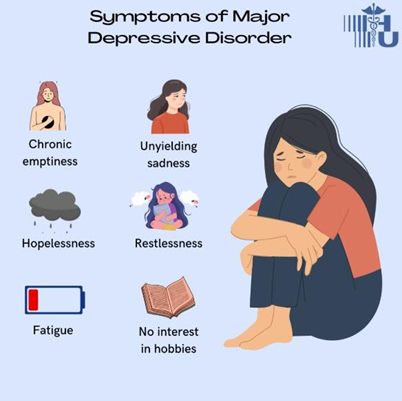
B. Depending solely on a partner to plan daily activities may indicate dependence rather than self-care.
C. Remaining in bed excessively can perpetuate depressive symptoms and hinder recovery.
D. Avoiding discussing upsetting events may prevent processing emotions and hinder progress in therapy.
Whether you are a student looking to ace your exams or a practicing nurse seeking to enhance your expertise , our nursing education contents will empower you with the confidence and competence to make a difference in the lives of patients and become a respected leader in the healthcare field.
Visit Naxlex, invest in your future and unlock endless possibilities with our unparalleled nursing education contents today