
A nurse is planning care for a toddler who has developed oral ulcers in response to chemotherapy. Which of the following actions should the nurse include in the plan of care?
Moisten the mucosa with lemon glycerin swabs.
Cleanse the gums with saline soaked gauze.
Administer oral viscous lidocaine.
Schedule routine oral care ever hr.
The Correct Answer is B
Choice A Reason:
Moisten the mucosa with lemon glycerin swabs. Lemon glycerin swabs might be too acidic and can cause irritation or discomfort in oral ulcers. Using them could exacerbate the toddler's condition.
Choice B Reason:
Cleanse the gums with saline-soaked gauze. This action can help maintain oral hygiene and reduce the risk of infection in the oral ulcers. Saline is gentle and can help keep the affected area clean without causing further irritation.
Choice C Reason:
Administer oral viscous lidocaine. Lidocaine is a local anesthetic that may be used in some cases for pain relief, but its use in oral ulcers for toddlers might not be recommended due to potential risks and concerns about ingestion, especially in young children.
Choice D Reason:
Schedule routine oral care every hour. While oral care is essential, performing it too frequently (every hour) might cause more discomfort and irritation to the already sensitive oral ulcers. Gentle, regular care is important, but excessive cleaning can be detrimental.
Nursing Test Bank
Naxlex Comprehensive Predictor Exams
Related Questions
Correct Answer is ["D","E"]
Explanation
Choice A Reason:
Heat the formula to 39°C (102°F) prior to administration. Formula temperature should be warm, but heating it to a specific temperature like 39°C (102°F) is not typically necessary. Room temperature or slightly warm formula is often suitable.
Choice B Reason:
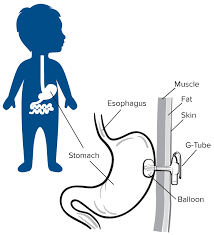
The supine position (lying flat on the back) is not recommended during enteral feedings. Infant should be placedin a semi-upright position (usually around 30 to 45 degrees)- this helps prevent aspiration and aids in proper digestion and passage of the feeding into the stomach.
Choice C Reason:
Offer the infant a pacifier during feedings. Offering a pacifier during enteral feedings could potentially interfere with the feeding process and may increase the risk of aspiration. It's generally not recommended during tube feedings.
Choice D Reason:
Instill the formula over a period of 30 to 45 minutes. Slowly administering the formula over this duration allows for proper digestion and reduces the risk of feeding-related complications.
Choice E Reason:
Check for residual volumes by aspirating stomach contents. Checking for residual volumes helps ensure the stomach is adequately emptying and can help prevent complications such as aspiration or feeding intolerance.
Correct Answer is B
Explanation
Choice A Reason:
Soak hairbrushes in boiling water for 10 minutes is incorrect. While it's good practice for general hygiene, impetigo is primarily a skin infection and is not typically spread through hairbrushes.
Choice B Reason:
Apply bactericidal ointment to lesions is correct. Topical antibiotics, such as mupirocin, are often recommended as treatment for impetigo. Applying bactericidal ointment to the lesions helps in the healing process and prevents the spread of the infection.
Choice C Reason:
Seal soft toys in a plastic bag for 14 days is incorrect. While cleaning and disinfecting toys is a good practice, impetigo is mainly transmitted through direct skin-to-skin contact or contact with contaminated items, but it does not require sealing toys in plastic bags for a specific duration.
Choice D Reason:
Administer acyclovir PO two times per day is incorrect. Acyclovir is an antiviral medication used to treat viral infections like herpes simplex virus (HSV), not bacterial infections like impetigo. It wouldn't be effective for impetigo treatment.

Whether you are a student looking to ace your exams or a practicing nurse seeking to enhance your expertise , our nursing education contents will empower you with the confidence and competence to make a difference in the lives of patients and become a respected leader in the healthcare field.
Visit Naxlex, invest in your future and unlock endless possibilities with our unparalleled nursing education contents today