
A nurse is planning care for a client who is pregnant and has HIV.
Which of the following actions should the nurse include in the plan of care?
Use a fetal scalp electrode during labor and delivery.
Bathe the newborn before initiating skin-to-skin contact.
Instruct the client to stop taking the antiretroviral medications at 32 weeks of gestation.
Administer a pneumococcal immunization to the newborn within 4 hours
The Correct Answer is B
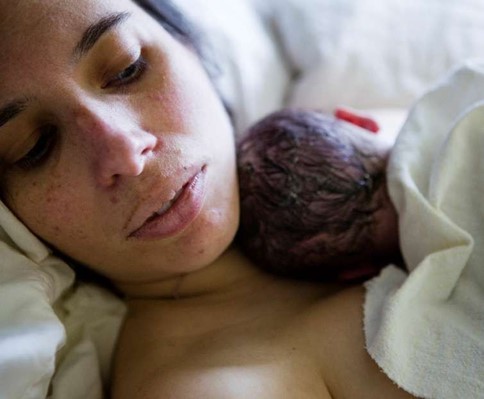
Bathing the newborn before initiating skin-to-skin contact is an action that the nurse should include in the plan of care for a client who is pregnant and has HIV.
Choice A is incorrect because using a fetal scalp electrode during labor and delivery is not mentioned as an action that should be included in the plan of care for a client who is pregnant and has HIV in my sources.
Choice C is incorrect because instructing the client to stop taking antiretroviral medications at 32 weeks of gestation is not mentioned as an action that should be included in the plan of care for a client who is pregnant and has HIV in my sources.
Choice D is incorrect because administering a pneumococcal immunization to the newborn within 4 hours following birth is not mentioned as an action that should be included in the plan of care for a client who is pregnant and has HIV in my sources.
Nursing Test Bank
Naxlex Comprehensive Predictor Exams
Related Questions
Correct Answer is A
Explanation
A bedside glucometer reading of 65 mg/dL is within the normal range for a newborn who is 6 hours old.
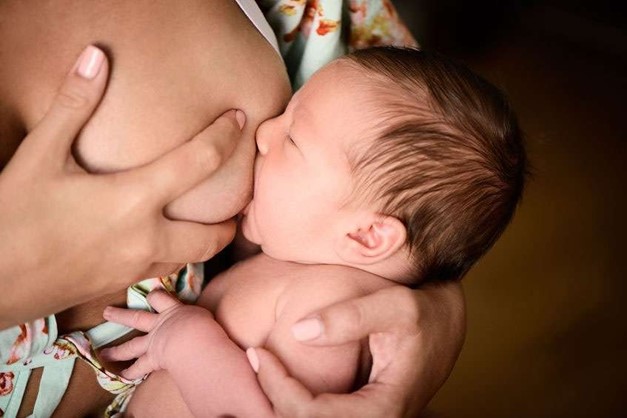
Feeding the newborn can help maintain their blood glucose level.
Choice B is not an answer because administering 50 mL of dextrose solution IV is not necessary for a newborn with a normal blood glucose level.
Choice C is not an answer because reassessing the blood glucose level prior to the next feeding is not necessary for a newborn with a normal blood glucose level.
Choice D is not an answer because obtaining a blood sample for a serum glucose
level is not necessary for a newborn with a normal blood glucose level.
Correct Answer is C
Explanation
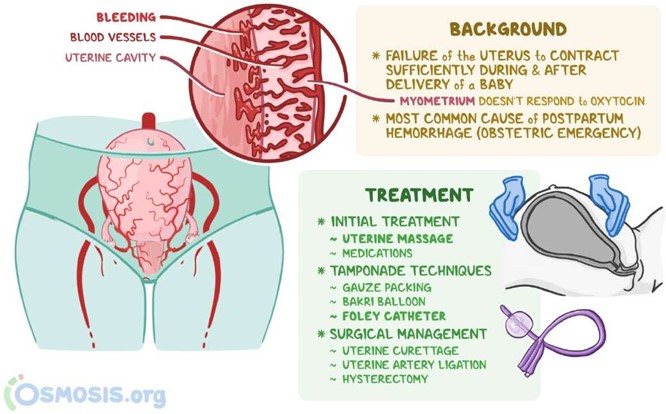
Retained placental fragments is a risk factor for postpartum hemorrhage. After delivery, the uterus continues to contract to deliver the placenta.
Contractions also help to compress the blood vessels where the placenta was atached to the uterine wall.
Postpartum hemorrhage can happen if parts of the placenta stay atached to the
uterine wall.
Choice A is incorrect because pregnancy-induced hypertension is a risk factor for
postpartum hemorrhage.
Choice B is incorrect because meconium-stained fluid is not mentioned as a risk factor for postpartum hemorrhage in my sources.
Choice D is incorrect because oligohydramnios is not mentioned as a risk factor for postpartum hemorrhage in my sources.
Whether you are a student looking to ace your exams or a practicing nurse seeking to enhance your expertise , our nursing education contents will empower you with the confidence and competence to make a difference in the lives of patients and become a respected leader in the healthcare field.
Visit Naxlex, invest in your future and unlock endless possibilities with our unparalleled nursing education contents today