
A nurse is planning care for a client who has acute pancreatitis. Which of the following interventions should the nurse include in the client’s plan? (Select all that apply.)
Initiate insulin drip.
Monitor blood glucose levels.
Continue regular diet as tolerated.
Maintain NPO status until pain-free.
Manage acute pain.
Correct Answer : B,E
Choice A Reason:
Initiating an insulin drip is not a standard intervention for all clients with acute pancreatitis. This intervention is typically reserved for clients who develop hyperglycemia or diabetes as a complication of pancreatitis. Acute pancreatitis can affect the pancreas’ ability to produce insulin, but not all clients will require an insulin drip.
Choice B Reason:
Monitoring blood glucose levels is crucial for clients with acute pancreatitis because the pancreas plays a key role in regulating blood sugar. Inflammation or damage to the pancreas can lead to fluctuations in blood glucose levels, making regular monitoring essential to manage potential hyperglycemia or hypoglycemia.
Choice C Reason:
Continuing a regular diet as tolerated is not appropriate for clients with acute pancreatitis. These clients are typically kept NPO (nothing by mouth) to rest the pancreas and reduce the secretion of pancreatic enzymes, which can exacerbate inflammation and pain.
Choice D Reason:
Maintaining NPO status until the client is pain-free is a standard intervention for acute pancreatitis. This approach helps to rest the pancreas and prevent the release of digestive enzymes that can further inflame the pancreas. Once the client is pain-free and inflammation has subsided, a gradual reintroduction of oral intake can be considered.
Choice E Reason:
Managing acute pain is a critical aspect of care for clients with acute pancreatitis. Pain management can include medications such as opioids, as well as non-pharmacological interventions like positioning and relaxation techniques. Effective pain management improves the client’s comfort and can help reduce stress on the pancreas.
Nursing Test Bank
Naxlex Comprehensive Predictor Exams
Related Questions
Correct Answer is D
Explanation
Choice A Reason
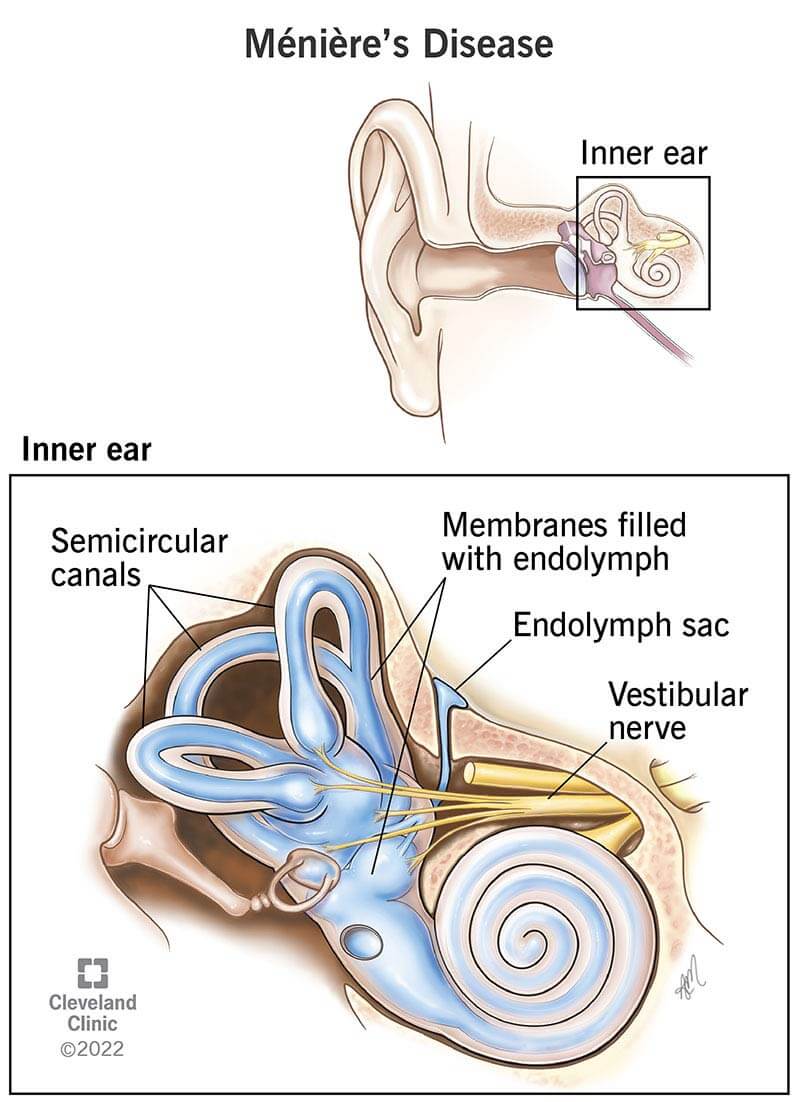
Maintain strict bed rest. This intervention is not typically recommended for managing Ménière’s disease. While rest during acute vertigo episodes is important, strict bed rest is not necessary and can lead to other complications such as muscle atrophy and decreased mobility.
Choice B Reason
Restrict fluid intake to the morning hours. This statement is incorrect. Fluid intake should be evenly distributed throughout the day to help manage the symptoms of Ménière’s disease. Restricting fluids to the morning hours can lead to dehydration and does not effectively manage the condition.
Choice C Reason
Administer aspirin. This intervention is not recommended for Ménière’s disease. Aspirin can worsen tinnitus, a common symptom of Ménière’s disease, and is generally avoided in these patients.
Choice D Reason
Provide a low-sodium diet. This is the correct intervention. A low-sodium diet helps reduce fluid retention in the body, which can decrease the pressure in the inner ear and help manage the symptoms of Ménière’s disease. Reducing sodium intake to 1,500-2,000 milligrams per day is often recommended.
Correct Answer is B
Explanation
Choice A Reason:
Respiratory acidosis is characterized by a low pH (below 7.35) and an elevated PaCO₂ (above 45 mm Hg). This condition occurs when there is an accumulation of carbon dioxide in the blood due to hypoventilation or impaired lung function. In this case, the client’s pH is elevated, and PaCO₂ is low, which does not align with respiratory acidosis.
Choice B Reason:
Respiratory alkalosis is indicated by a high pH (above 7.45) and a low PaCO₂ (below 35 mm Hg). This condition results from hyperventilation, which causes excessive exhalation of carbon dioxide. The client’s ABG results show a pH of 7.50 and a PaCO₂ of 29 mm Hg, consistent with respiratory alkalosis.
Choice C Reason:
Metabolic acidosis is characterized by a low pH (below 7.35) and a low HCO₃ (below 21 mEq/L). This condition occurs due to an accumulation of acids or a loss of bicarbonate in the body. The client’s pH is elevated, and HCO₃ is within the normal range, which does not indicate metabolic acidosis.
Choice D Reason:
Metabolic alkalosis is indicated by a high pH (above 7.45) and a high HCO₃ (above 28 mEq/L). This condition results from an excess of bicarbonate or a loss of acids. The client’s pH is elevated, but HCO₃ is within the normal range, which does not support a diagnosis of metabolic alkalosis.
Whether you are a student looking to ace your exams or a practicing nurse seeking to enhance your expertise , our nursing education contents will empower you with the confidence and competence to make a difference in the lives of patients and become a respected leader in the healthcare field.
Visit Naxlex, invest in your future and unlock endless possibilities with our unparalleled nursing education contents today