
A nurse is performing a heel stick on a newborn. Which of the following actions should the nurse take?
Puncture the heel on the inner aspect of the foot.
Use an automatic puncture device on the heel.
Cleanse the newborn's heel with an alcohol swab after the procedure.
Place an ice pack on the newborn's heel 5 min before the procedure.
The Correct Answer is B
“Use an automatic puncture device on the heel.” This is the most common and minimally invasive method to draw capillary blood from an infant for medical testing.
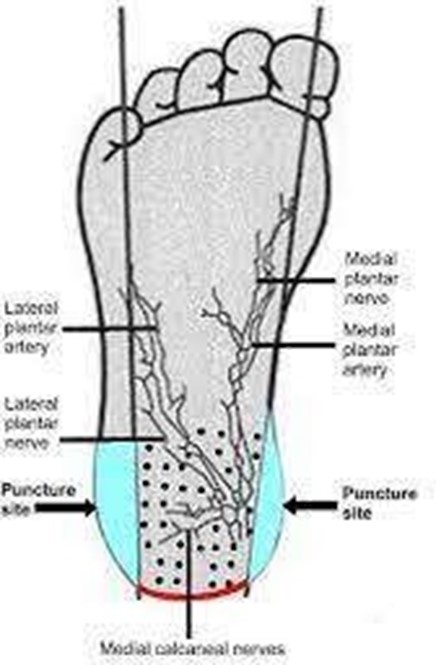
Choice A is incorrect because the heel should be punctured on the outer aspect of the foot to avoid damaging the calcaneus bone.
Choice C is incorrect because the heel should be cleansed with an alcohol swab
before, not after, the procedure.
Choice D is incorrect because there is no need to place an ice pack on the newborn’s heel before the procedure.
Nursing Test Bank
Naxlex Comprehensive Predictor Exams
Related Questions
Correct Answer is A
Explanation
A bedside glucometer reading of 65 mg/dL is within the normal range for a newborn who is 6 hours old.
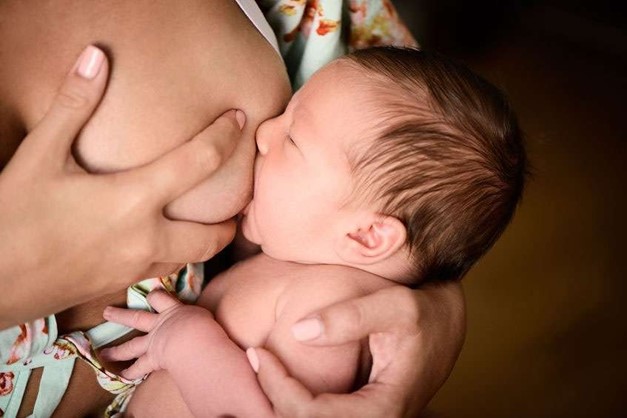
Feeding the newborn can help maintain their blood glucose level.
Choice B is not an answer because administering 50 mL of dextrose solution IV is not necessary for a newborn with a normal blood glucose level.
Choice C is not an answer because reassessing the blood glucose level prior to the next feeding is not necessary for a newborn with a normal blood glucose level.
Choice D is not an answer because obtaining a blood sample for a serum glucose
level is not necessary for a newborn with a normal blood glucose level.
Correct Answer is A
Explanation
A client who is postpartum and experiencing hypovolemic shock would have cool, clammy skin.
This is because hypovolemic shock severely limits the body’s ability to get blood
to all of its organs.

Choice B is not correct because a urinary output of 30 mL/hr is within the
normal range.
Choice C is not correct because a client experiencing hypovolemic shock would have a weak pulse, not a bounding one.
Choice D is not correct because a respiratory rate of 18/min is within the normal range, while a client experiencing hypovolemic shock would have an increased respiratory rate.
Whether you are a student looking to ace your exams or a practicing nurse seeking to enhance your expertise , our nursing education contents will empower you with the confidence and competence to make a difference in the lives of patients and become a respected leader in the healthcare field.
Visit Naxlex, invest in your future and unlock endless possibilities with our unparalleled nursing education contents today