
A nurse is monitoring a client who reports having chills and back pain during a blood transfusion. Which of the following actions is nurse's priority?
Stopping the transfusion
Covering the client with a blanket
Assessing the client's skin for a rash
Notifying the provider
The Correct Answer is A
A. Stopping the transfusion is the priority action if the client is experiencing symptoms of a transfusion reaction.
B. Covering the client with a blanket may address chills but does not address the potential serious nature of the reaction.
C. Assessing the client's skin for a rash is important but should not delay the immediate action of stopping the transfusion.
D. Notifying the provider is important, but stopping the transfusion and addressing the immediate needs of the client take precedence.
Nursing Test Bank
Naxlex Comprehensive Predictor Exams
Related Questions
Correct Answer is A
Explanation
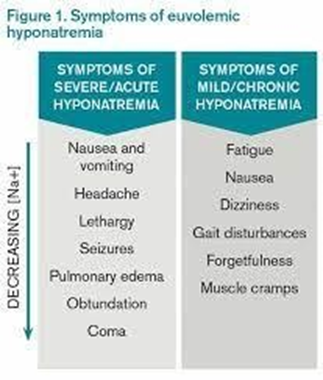
A. Hyponatremia (low sodium) can lead to neurological symptoms, including nausea and vomiting.
B. Extreme thirst is more commonly associated with hypernatremia (high sodium).
C. Flushed skin and fever are not typical manifestations of hyponatremia.
D. Fever is not a typical manifestation of hyponatremia.
Correct Answer is C
Explanation
A. Hyperactive bowel sounds are not typically associated with elevated calcium levels.
B. Hyperactive deep tendon reflexes are a potential sign of hypercalcemia, but cardiac manifestations are more critical.
C. Prolonged ST segments on cardiac monitoring can be indicative of hypercalcemia and may lead to cardiac arrhythmias.
D. Lethargy is a general symptom and may not be specific to hypercalcemia. Cardiac manifestations are a more immediate concern.
Whether you are a student looking to ace your exams or a practicing nurse seeking to enhance your expertise , our nursing education contents will empower you with the confidence and competence to make a difference in the lives of patients and become a respected leader in the healthcare field.
Visit Naxlex, invest in your future and unlock endless possibilities with our unparalleled nursing education contents today