
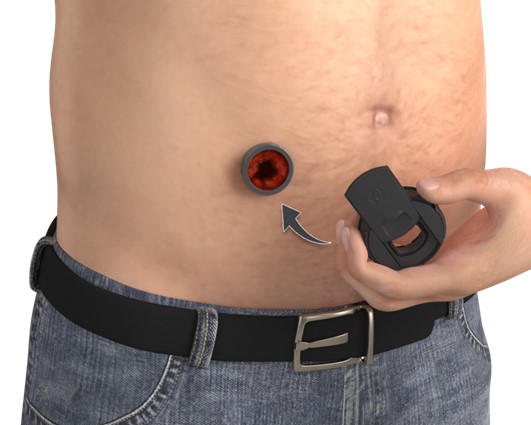
A nurse is evaluating a client's acceptance of having a new ileostomy. Which of the following statements by the client indicates acceptance?
"I will attend a support group to help me handle difficulties when they occur."
"I have my partner empty the bag for me, so I don't have to look at it."
"I look forward to having normal bowel movements again."
"I wish my sexual relationship with my partner was like it was before."
The Correct Answer is A
The correct answer is choice A, "I will attend a support group to help me handle difficulties when they occur." This statement indicates that the client is accepting the situation and taking proactive steps to manage any difficulties that may arise. Choice B is incorrect because relying on someone else to empty the bag suggests possible denial or avoidance of the situation. Choice C is incorrect because normal bowel movements after an ileostomy may not happen. Choice D is incorrect because it is not related to acceptance of the ileostomy. Choice B is not correct because it shows possible denial or avoidance of the situation. Choice C is not correct because normal bowel movements may not occur. Choice D is not correct because it is not related to acceptance of the ileostomy.
Nursing Test Bank
Naxlex Comprehensive Predictor Exams
Related Questions
Correct Answer is D
Explanation
The correct answer is choice D. Allow frequent rest periods.
Choice A rationale:
Encouraging fluids is not appropriate for a client with heart failure. Clients with heart failure often experience fluid overload due to the heart’s inability to pump effectively, leading to fluid retention.Encouraging additional fluid intake can exacerbate this condition, worsening symptoms such as edema and shortness of breath.
Choice B rationale:
Measuring vital signs every 8 hours may not be frequent enough for a client with heart failure, especially if they are experiencing acute symptoms.More frequent monitoring is often necessary to detect changes in the client’s condition promptly and to manage symptoms effectively.
Choice C rationale:
Obtaining weight weekly is not sufficient for a client with heart failure. Daily weight monitoring is crucial as it helps in detecting fluid retention early.Sudden weight gain can indicate worsening heart failure and the need for adjustments in treatment.
Choice D rationale:
Allowing frequent rest periods is essential for clients with heart failure. These clients often experience fatigue and decreased exercise tolerance due to reduced cardiac output.Frequent rest periods help in managing fatigue and preventing overexertion, which can worsen heart failure symptoms.
Correct Answer is C
Explanation
Oranges contain high levels of ascorbic acid, which can increase the absorption of ferrous sulfate. Baked potatoes, oatmeal, and cheese are not high in ascorbic acid and are not recommended to increase the absorption of ferrous sulfate.
Choice A, baked potatoes, is not the correct answer because it is not high in ascorbic acid.
Choice B, oatmeal, is not the correct answer because it is not high in ascorbic acid. Choice D, cheese, is not the correct answer because it is not high in ascorbic acid.
Whether you are a student looking to ace your exams or a practicing nurse seeking to enhance your expertise , our nursing education contents will empower you with the confidence and competence to make a difference in the lives of patients and become a respected leader in the healthcare field.
Visit Naxlex, invest in your future and unlock endless possibilities with our unparalleled nursing education contents today