
A nurse is discussing with another nurse how health outcomes for underinsured clients can be improved by returning to school to achieve a higher level of education. Which of the following rationales should the nurse include in the discussion?
Improving their education level could provide the client with a broad selection of coverage plans to choose from.
Returning to school could help a client get a job that allows them to gain access to health insurance that provides more coverage or better benefits.
Increasing their education level will help the client be approved for program assistance from certain nonprofit organizations.
Returning to school can enable students to be eligible to receive grant money set aside for this purpose.
The Correct Answer is B
Choice A Reason:
Improving their education level could provide the client with a broad selection of coverage plans to choose from. While higher education can lead to better job opportunities and potentially better health insurance options, the direct link between education and the variety of coverage plans is not as strong as the link between education and employment opportunities that offer better benefits.
Choice B Reason:
Returning to school could help a client get a job that allows them to gain access to health insurance that provides more coverage or better benefits. This rationale is based on the idea that higher education often leads to better job prospects. Many jobs that require higher education levels also offer comprehensive health insurance benefits. By improving their education, clients can qualify for positions that provide better health coverage, thus improving their overall health outcomes.
Choice C Reason:
Increasing their education level will help the client be approved for program assistance from certain nonprofit organizations. While some nonprofit organizations may offer assistance based on educational attainment, this is not a common or primary reason for improving health outcomes through education. The focus is more on the employment and insurance benefits that come with higher education.
Choice D Reason:
Returning to school can enable students to be eligible to receive grant money set aside for this purpose. While grants and financial aid can support educational pursuits, they do not directly improve health outcomes. The primary benefit of returning to school in this context is the potential for better employment opportunities and health insurance coverage, not the financial aid itself.
Nursing Test Bank
Naxlex Comprehensive Predictor Exams
Related Questions
Correct Answer is D
Explanation
Choice A Reason:
The cause-specific mortality rate measures the number of deaths attributed to a specific cause within a population during a given time period. While this measure is useful for understanding the impact of a particular disease on a population, it does not directly indicate the virulence of a virus. Virulence refers to the severity or harmfulness of a disease, which is better captured by the case fatality rate.
Choice B Reason:
The age-specific mortality rate calculates the number of deaths within specific age groups in a population. This measure helps identify age-related mortality trends but does not provide information about the virulence of a virus. Age-specific mortality rates are more useful for understanding the impact of diseases across different age demographics rather than assessing the severity of a new virus.
Choice C Reason:
Proportionate mortality refers to the proportion of deaths in a population attributable to a specific cause relative to all deaths. This measure helps in understanding the relative importance of different causes of death but does not directly measure the virulence of a virus. Proportionate mortality is more about the distribution of causes of death rather than the severity of a particular disease.
Choice D Reason:
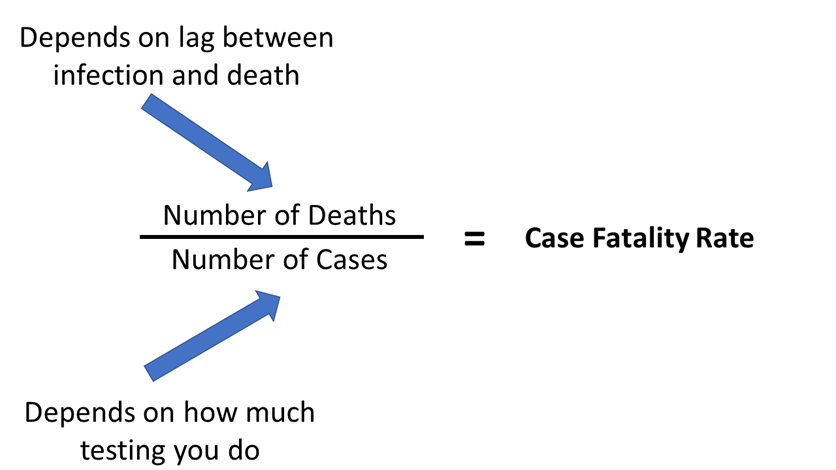
Case fatality rate (CFR) is the most appropriate measure for determining the virulence of a new virus. CFR is calculated by dividing the number of deaths caused by the disease by the number of diagnosed cases of the disease, then multiplying by 100 to get a percentage. This measure directly indicates the lethality of the virus by showing the proportion of diagnosed cases that result in death. It is a critical indicator for assessing the severity and potential impact of a new infectious disease.
Correct Answer is D
Explanation
Choice A: Implementing the Teach Back Method When Prescribing Medication
The Teach Back Method is an effective communication strategy where healthcare providers ask clients to repeat back the information given to ensure understanding. While this method can improve medication adherence and health literacy, it does not directly address the broader systemic issues related to poverty. It is a useful tool but not the most impactful intervention for breaking the cycle of poverty.
Choice B: Replacing Medicare Programs with Medigap Policies
Medigap policies are supplemental insurance plans that cover costs not included in traditional Medicare. However, replacing Medicare programs with Medigap policies would not necessarily improve outcomes for clients impacted by poverty. Medigap policies can be expensive and may not be affordable for low-income individuals. This intervention does not address the root causes of poverty or improve access to essential health services.
Choice C: Eliminating the Use of Client Portals or Virtual Visits
Eliminating client portals or virtual visits would likely have a negative impact on client outcomes, especially for those in poverty who may have limited access to transportation. Virtual visits and client portals provide convenient access to healthcare services, allowing clients to communicate with providers, access medical records, and receive care without the need for in-person visits. Removing these options would reduce access to care for many individuals.
Choice D: Opening a Community Health Center in an Underserved Area
This is the correct choice. Opening a community health center in an underserved area directly addresses the lack of access to healthcare services, which is a significant barrier for individuals living in poverty. Community health centers provide comprehensive primary care, preventive services, and support for managing chronic conditions. They often offer sliding scale fees based on income, making healthcare more affordable and accessible for low-income populations. By improving access to healthcare, community health centers can help break the cycle of poverty and improve overall health outcomes.
Whether you are a student looking to ace your exams or a practicing nurse seeking to enhance your expertise , our nursing education contents will empower you with the confidence and competence to make a difference in the lives of patients and become a respected leader in the healthcare field.
Visit Naxlex, invest in your future and unlock endless possibilities with our unparalleled nursing education contents today