
A nurse is contributing to the plan of care for a client who has multiple sclerosis. The nurse should recommend including which of the following interventions in the plan of care to assist the client in overcoming barriers related to this condition?
Establish alternatives to verbal conversation.
Use the numbers on a clock to describe the position of food on the client's plate.
Touch the client's arm before beginning to speak.
Provide the client with large-handled eating utensils.
The Correct Answer is D
A: Alternative communication methods are more applicable to clients with severe speech or cognitive impairments, which are not universally present in multiple sclerosis.
B: Using clock numbers to describe food placement is typically recommended for visually impaired clients, not specifically for those with multiple sclerosis.
C: Touching the client's arm before speaking is a technique used for clients with hearing impairments.
D: Multiple sclerosis can cause fine motor skill impairment and muscle weakness. Providing large-handled utensils can help maintain independence in eating by making it easier to grip and use utensils.
Nursing Test Bank
Naxlex Comprehensive Predictor Exams
Related Questions
Correct Answer is A
Explanation
A. Phenytoin should be taken with food to minimize gastrointestinal side effects and enhance absorption.
B. There is no specific requirement to limit foods containing vitamin D while taking phenytoin.
C. Phenytoin does not typically interfere with folic acid metabolism, so there is no need to limit foods containing folic acid.
D. Phenytoin should not be taken with antacids, as they can decrease its absorption.
Correct Answer is B
Explanation
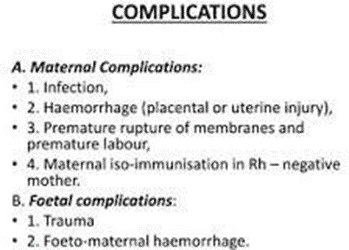
A: Hypertension is not a typical complication following an amniocentesis; it's more commonly associated with conditions like preeclampsia.
B: Amniocentesis can sometimes trigger premature labor, so monitoring for contractions is essential.
C: Epigastric pain is not a common complication of amniocentesis and may be indicative of other issues such as gastrointestinal problems.
D: Vomiting is not typically associated with amniocentesis, although it can occur due to stress or other factors unrelated to the procedure.
Whether you are a student looking to ace your exams or a practicing nurse seeking to enhance your expertise , our nursing education contents will empower you with the confidence and competence to make a difference in the lives of patients and become a respected leader in the healthcare field.
Visit Naxlex, invest in your future and unlock endless possibilities with our unparalleled nursing education contents today