
A nurse is completing the evaluation phase of the nursing process. The part of the client care plan that is evaluated during this phase are the
interventions.
expected outcomes.
definitions.
diagnoses.
The Correct Answer is B
B. Expected outcomes are specific, measurable criteria used to determine goal achievement. These outcomes are set during the planning phase of the nursing process in collaboration with the client. During evaluation, the nurse compares the client's actual progress with these expected outcomes. This assessment helps determine whether the goals were met, partially met, or not met, which guides further nursing actions.
A. During the evaluation phase, the nurse assesses the effectiveness of these interventions in achieving the desired outcomes rather than the interventions themselves. The focus is on determining whether the interventions were appropriate, timely, and effective in meeting the client's goals.
C Definitions typically refer to the meaning or understanding of terms used in the nursing process, such as nursing diagnoses or medical conditions. They provide clarity and context to ensure accurate assessment, planning, and intervention. However, definitions themselves are not directly evaluated in the evaluation phase of the nursing process.
D. In the evaluation phase, the nurse assesses the client's response to interventions aimed at addressing these diagnoses. The focus is on determining the effectiveness of the care provided rather than evaluating the diagnoses themselves.
Nursing Test Bank
Naxlex Comprehensive Predictor Exams
Related Questions
Correct Answer is A
Explanation
A. This response acknowledges the patient's concern directly. It demonstrates empathy by indicating that the nurse understands the client's feelings of apprehension or anxiety about self-injection. By expressing understanding, the nurse shows empathy towards the client's emotional state.
B. This question shows concern for the patient's well-being and invites them to share their experiences. While it demonstrates a caring attitude, it focuses more on physical comfort rather than directly addressing the client's emotional concerns. While this question shows a caring attitude, it doesn't specifically convey empathy regarding the client's emotional state or concerns.
C. This question seeks to gather information about the client's symptoms. It shows clinical interest and concern for the client's physical condition, but it doesn't directly convey empathy towards their emotional state or concerns. This question is important for assessing the client's condition but does not demonstrate empathy towards their emotional experience or concerns.
D. This response seeks clarification on the client's request or statement. It shows willingness to understand the client's needs or preferences. While it shows attentiveness and willingness to assist, it doesn't directly convey empathy towards the client's emotional concerns or validate their feelings.
Correct Answer is D
Explanation
D. Metabolic alkalosis is characterized by an increased pH (alkalosis) and an increased HCO3. In this case, the pH is elevated (7.5), indicating alkalosis, which supports metabolic alkalosis. The HCO3 is elevated at 40 mEq/L, which further supports metabolic alkalosis. The PaCO2 is normal or slightly low (36 mmHg), which can occur as a compensatory response to metabolic alkalosis.
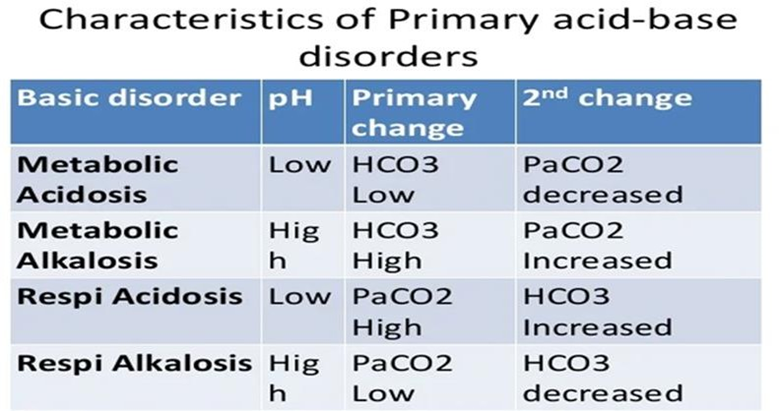
A. Respiratory alkalosis is characterized by an increase in pH (alkalosis) and a decrease in PaCO2 (hypocapnia). In this scenario, the pH is elevated (7.5), which indicates alkalosis. The PaCO2 is 36 mmHg, which is within the normal range (35-45 mmHg) but slightly on the lower side (slight hypocapnia). The HCO3 is elevated at 40 mEq/L, which suggests a compensatory response by the kidneys to retain bicarbonate to counteract the alkalosis.
B. Respiratory acidosis is characterized by a decrease in pH (acidosis) and an increase in PaCO2 (hypercapnia). In this case, the pH is elevated (7.5), indicating alkalosis, which contradicts respiratory acidosis. The PaCO2 is 36 mmHg, which is normal or slightly low, not high as expected in respiratory acidosis. The elevated HCO3 (40 mEq/L) suggests a compensatory metabolic response to the alkalosis, not to acidosis.
C. Metabolic acidosis is characterized by a decreased pH (acidosis) and a decreased HCO3. In this scenario, the pH is elevated (7.5), indicating alkalosis, which contradicts metabolic acidosis. The HCO3 is elevated at 40 mEq/L, indicating metabolic alkalosis rather than metabolic acidosis.
Whether you are a student looking to ace your exams or a practicing nurse seeking to enhance your expertise , our nursing education contents will empower you with the confidence and competence to make a difference in the lives of patients and become a respected leader in the healthcare field.
Visit Naxlex, invest in your future and unlock endless possibilities with our unparalleled nursing education contents today