
A nurse is completing discharge teaching with a client who has a new diagnosis of AIDS. Which of the following statements by the client indicates an understanding of the teaching?
"I will increase the amount of fresh fruits and vegetables I consume."
"I will be sure to wear gloves and wash my hands when I change my cat's litter box."
"I will need to take my clothes to the dry cleaners to sterilize them."
"I will wipe up areas soiled with body fluids with alcohol and immediately dispose of the trash."
The Correct Answer is B
Choice A reason : While eating fresh fruits and vegetables is generally healthy, it does not specifically indicate an understanding of AIDS-related teaching. Some fruits and vegetables need to be carefully handled to avoid potential infections.
Choice B reason : Wearing gloves and washing hands after changing a cat's litter box is correct as it helps prevent the transmission of infections, such as toxoplasmosis, which can be particularly harmful to individuals with AIDS.
Choice C reason : Taking clothes to the dry cleaners for sterilization is unnecessary and does not reflect an understanding of AIDS-related precautions.
Choice D reason : Wiping up areas soiled with body fluids with alcohol and disposing of the trash is a good practice for infection control, but it is not as directly related to the client's understanding of AIDS-specific precautions as choice b.
Nursing Test Bank
Naxlex Comprehensive Predictor Exams
Related Questions
Correct Answer is C
Explanation
Choice A reason: The statement that a DNR prescription means the client will only receive pain medication is incorrect. A DNR (Do Not Resuscitate) order does not affect the provision of treatments other than those required to resuscitate the patient if their heart stops or they stop breathing. Patients with a DNR can still receive all other medical treatments and interventions aimed at managing symptoms and improving quality of life, including pain management.
Choice B reason: A DNR prescription does not limit the current treatment regimen in terms of ongoing treatments for the patient's condition. The DNR order specifically refers to not performing CPR (cardiopulmonary resuscitation) if the patient's breathing or heart stops. All other aspects of the patient's care plan, including aggressive treatments, can continue if they align with the patient's wishes and medical advice.
Choice C reason: This is the correct statement. A DNR prescription allows the patient to continue with their current treatment regimen. It is a directive that applies only in the event of cardiac or respiratory arrest, indicating that CPR should not be performed. However, it does not preclude the patient from receiving other medical treatments or interventions.
Choice D reason: A DNR prescription does not inherently limit the ability to receive invasive procedures. The decision to pursue or avoid invasive procedures would be based on the patient's overall treatment goals, prognosis, and personal preferences, not solely on the presence of a DNR order.
Correct Answer is A
Explanation
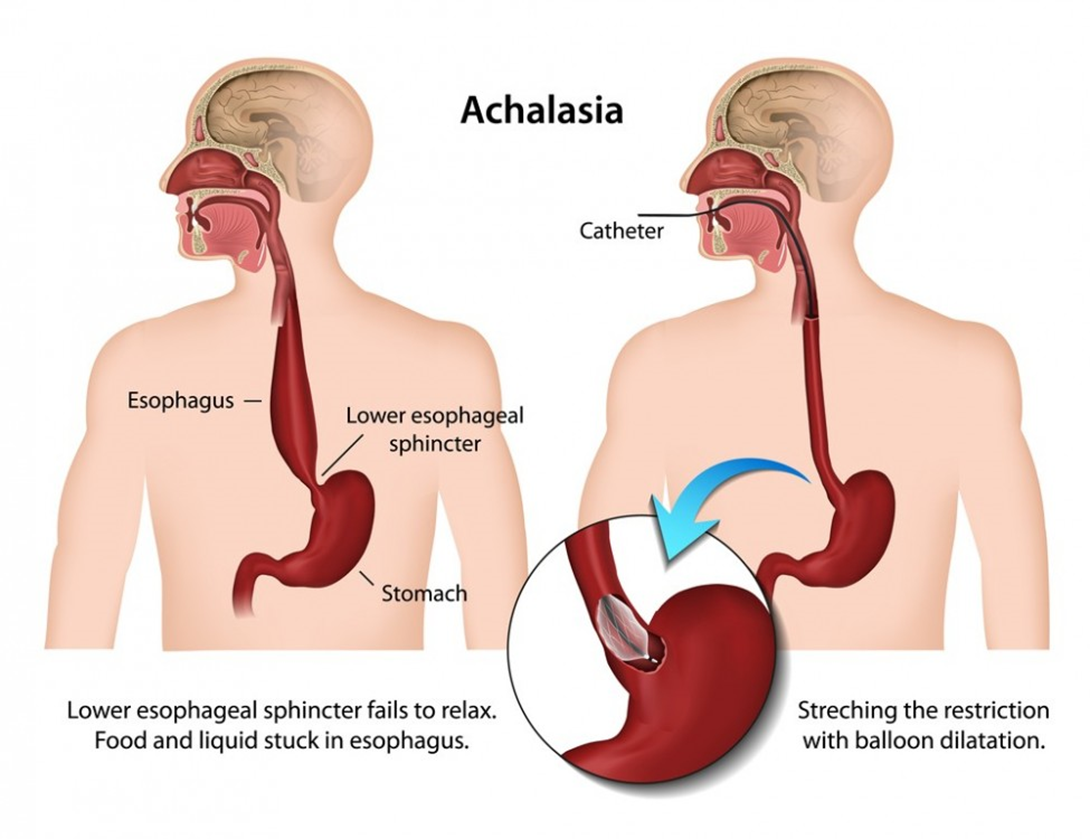
Choice A reason: Asking if the client feels like they have food stuck at the base of their throat is a pertinent question for assessing swallowing in a client with oral achalasia. Achalasia is characterized by difficulty in swallowing due to the inability of the lower esophageal sphincter to relax, leading to a sensation of food being stuck.
Choice B reason: While burning sensations in the throat can be associated with gastroesophageal reflux disease (GERD), they are not specific to achalasia. However, some clients with achalasia may experience similar symptoms due to food stasis and fermentation in the esophagus.
Choice C reason: Feelings of fullness in the neck are not a typical symptom of achalasia. Achalasia primarily affects the esophagus and does not usually cause a sensation of fullness in the neck.
Choice D reason: Pain while swallowing, or odynophagia, can occur in achalasia but is more commonly associated with conditions that cause inflammation or irritation of the esophagus, such as infections or ingestion of irritants.
Whether you are a student looking to ace your exams or a practicing nurse seeking to enhance your expertise , our nursing education contents will empower you with the confidence and competence to make a difference in the lives of patients and become a respected leader in the healthcare field.
Visit Naxlex, invest in your future and unlock endless possibilities with our unparalleled nursing education contents today