
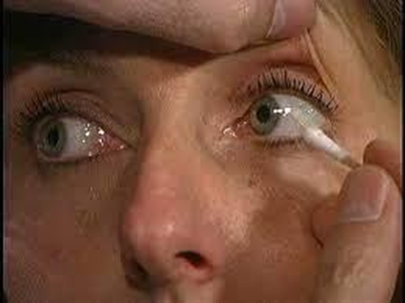
A nurse is collecting data from a client who was involved in a motor-vehicle crash.Which of the following techniques should the nurse use to test for corneal reflexes?
Visualize the red reflex of the eye.
Examine the eye with a penlight.
Lightly touch the eye with a wisp of cotton.
instill drops of dye into the eye.
The Correct Answer is C
A. This is a technique used for assessing the fundus and is not related to corneal reflexes.
B. This is used for general eye examination but does not specifically test corneal reflexes.
C. This tests the corneal reflex, where a blink response indicates the reflex is intact.
D. This is used for assessing corneal abrasions or ulcers but is not a method to test corneal reflexes.
Nursing Test Bank
Naxlex Comprehensive Predictor Exams
Related Questions
Correct Answer is B
Explanation
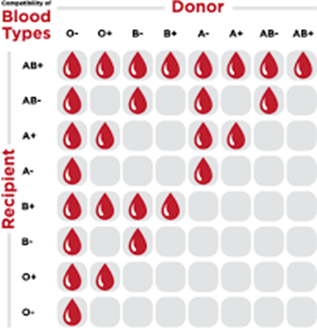
A. Type AB blood is the universal plasma donor but is not typically used for packed red blood cell transfusions.
B. Type O negative (O-) is the universal donor for packed red blood cells and can be administered to patients of any blood type in an emergency.
C. Type A blood is not universally compatible and should be matched for the ABO system.
D. Type B blood is not universally compatible and should be matched for the ABO system.
Correct Answer is D
Explanation
A. The duration of time in the bathtub should be based on the client's tolerance but should not exceed 20 minutes.
B. Water temperature should be warm but not excessively hot to avoid burns or discomfort.
C. Bath oils can make the bathtub slippery and increase the risk of falls. They should be avoided.
D. Providing non-slip bath strips enhances safety and helps prevent the client from slipping in the bathtub.
Whether you are a student looking to ace your exams or a practicing nurse seeking to enhance your expertise , our nursing education contents will empower you with the confidence and competence to make a difference in the lives of patients and become a respected leader in the healthcare field.
Visit Naxlex, invest in your future and unlock endless possibilities with our unparalleled nursing education contents today