
A nurse is caring for a client receiving chemotherapy. The nurse should identify that a client who has myelosuppression is at risk for which of the following conditions?
Diarrhea and dehydration
Anorexia and malnutrition
Full body alopecia
Bleeding from the gums
The Correct Answer is D
A. These symptoms are more commonly associated with gastrointestinal side effects of chemotherapy.
B. These symptoms are common due to the impact of chemotherapy on the gastrointestinal system.
C. Hair loss is a common side effect of chemotherapy, but it is not associated with myelosuppression.
D. Myelosuppression can lead to decreased platelet production, resulting in an increased risk of bleeding, including gum bleeding.
Nursing Test Bank
Naxlex Comprehensive Predictor Exams
Related Questions
Correct Answer is D
Explanation
A. Apples do not contain a significant amount of calcium.
B. Cream cheese is not a good source of calcium.
C. While lean beef is a source of protein, it does not provide a significant amount of calcium.
D. Kale is a leafy green vegetable rich in calcium and can be recommended to increase calcium intake in individuals with osteoporosis.
Correct Answer is B
Explanation
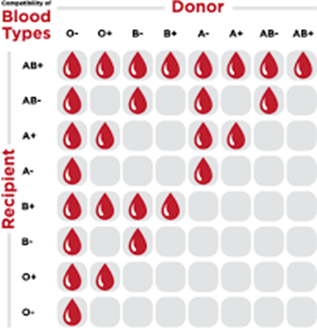
A. Type AB blood is the universal plasma donor but is not typically used for packed red blood cell transfusions.
B. Type O negative (O-) is the universal donor for packed red blood cells and can be administered to patients of any blood type in an emergency.
C. Type A blood is not universally compatible and should be matched for the ABO system.
D. Type B blood is not universally compatible and should be matched for the ABO system.
Whether you are a student looking to ace your exams or a practicing nurse seeking to enhance your expertise , our nursing education contents will empower you with the confidence and competence to make a difference in the lives of patients and become a respected leader in the healthcare field.
Visit Naxlex, invest in your future and unlock endless possibilities with our unparalleled nursing education contents today