
A nurse is caring for four clients. Which of the following clients should the nurse assess first?
A client who is 3 days postoperative following abdominal surgery is ready for discharge
A client who has Alzheimer's disease and bacterial pneumonia with newly onset restlessness
A client who is 24 hr postoperative following surgical reduction of a hip fracture and reports a pain level of 7
A client who is newly admitted with diabetes mellitus and whose fasting blood glucose level is 200 mg/dL
The Correct Answer is B
A. A client ready for discharge, if stable and prepared for discharge, does not require immediate assessment.
B. Restlessness in a client with Alzheimer's and bacterial pneumonia could indicate a change in condition, potentially signaling an urgent issue that needs immediate assessment.
C. While pain management is important, the sudden onset of restlessness in a client with cognitive impairment and pneumonia takes priority.
D. An elevated fasting blood glucose level in a newly admitted diabetic client requires attention but might not be as immediately critical as the acute change in behavior seen in option B.
Nursing Test Bank
Naxlex Comprehensive Predictor Exams
Related Questions
Correct Answer is C
Explanation
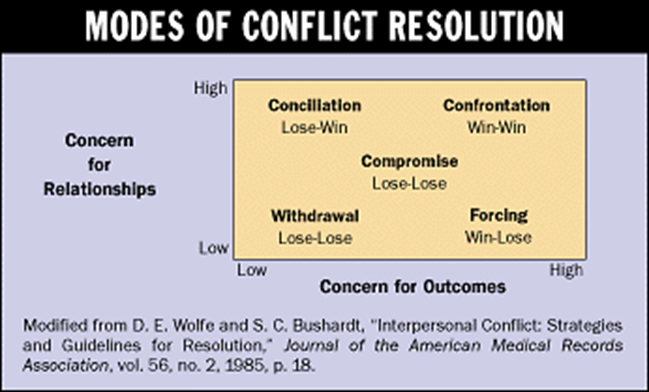
A. Cooperating involves finding a middle ground and working together, which isn't reflected in the manager's unilateral decision-making.
B. Collaborating involves working together toward a solution that accommodates various perspectives, which isn't the case here.
C. Competing involves asserting one's own concerns at the expense of others' viewpoints, which aligns with the manager's decision to implement changes regardless of opposition.
D. Compromising entails finding a middle ground that satisfies all parties involved, which isn't evident in the manager's decision-making process.
Correct Answer is B
Explanation
A. Notifying risk management before initiating treatment is not necessary in this emergent situation; patient care should take precedence.
B. In emergent situations where a patient lacks decision-making capacity and requires
immediate treatment to prevent harm, consent for treatment can be assumed based on the principle of implied consent.
C. Contacting the client's next of kin for consent might delay necessary treatment for the disoriented and arrhythmic client, which could be harmful.
D. Having the client sign a consent for treatment might not be feasible or appropriate if the client is disoriented and lacks decision-making capacity in an emergency situation.
Whether you are a student looking to ace your exams or a practicing nurse seeking to enhance your expertise , our nursing education contents will empower you with the confidence and competence to make a difference in the lives of patients and become a respected leader in the healthcare field.
Visit Naxlex, invest in your future and unlock endless possibilities with our unparalleled nursing education contents today